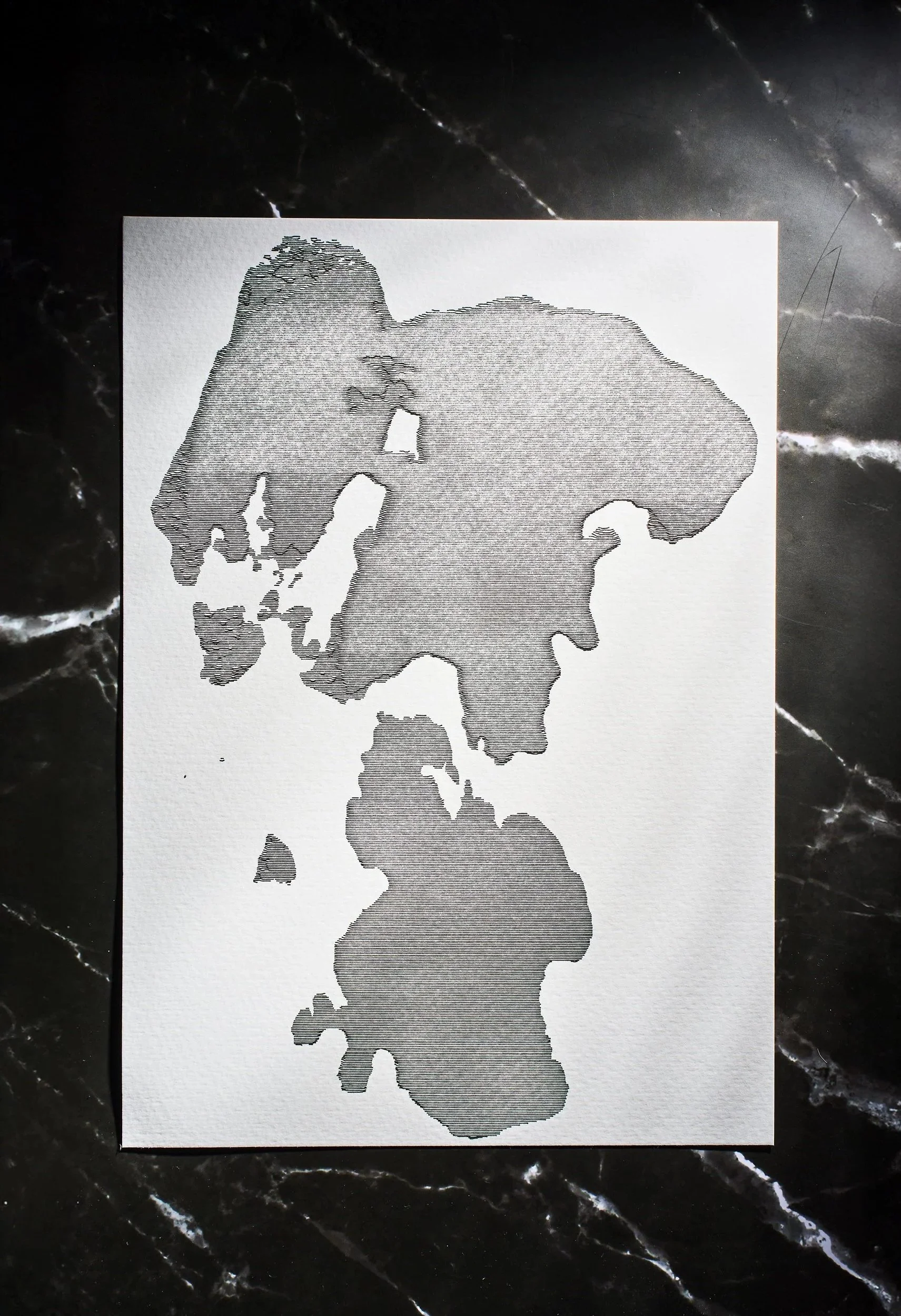
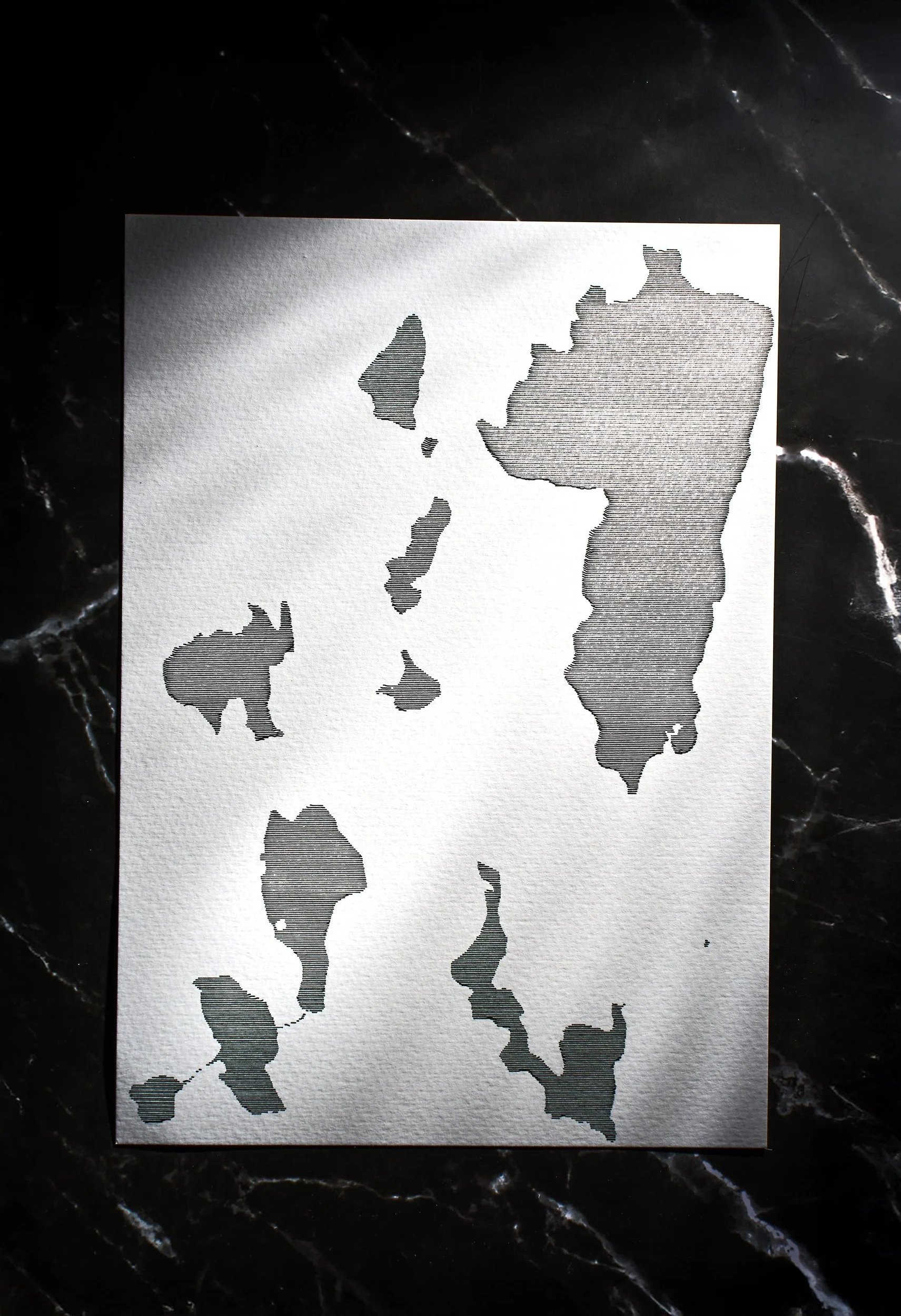
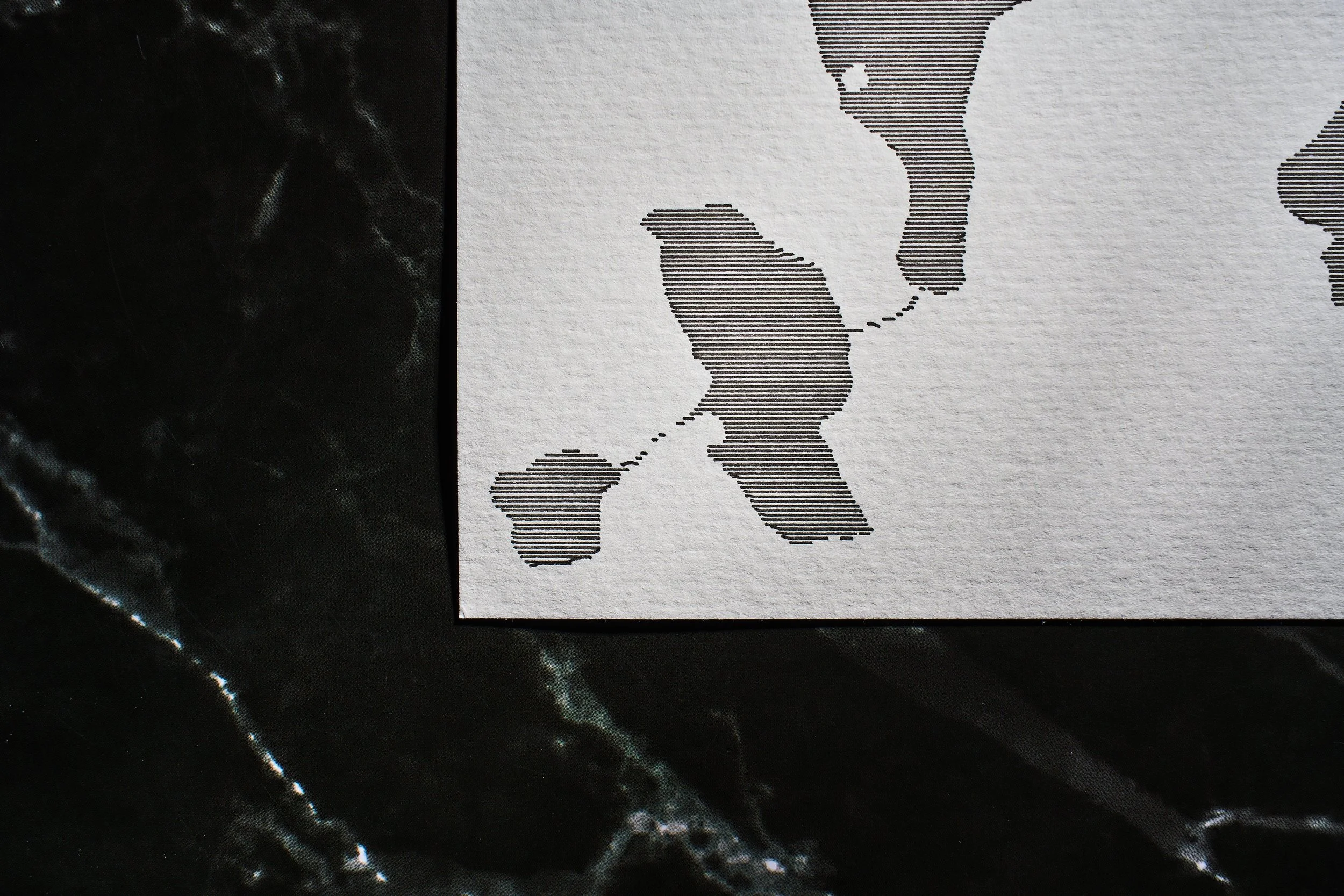
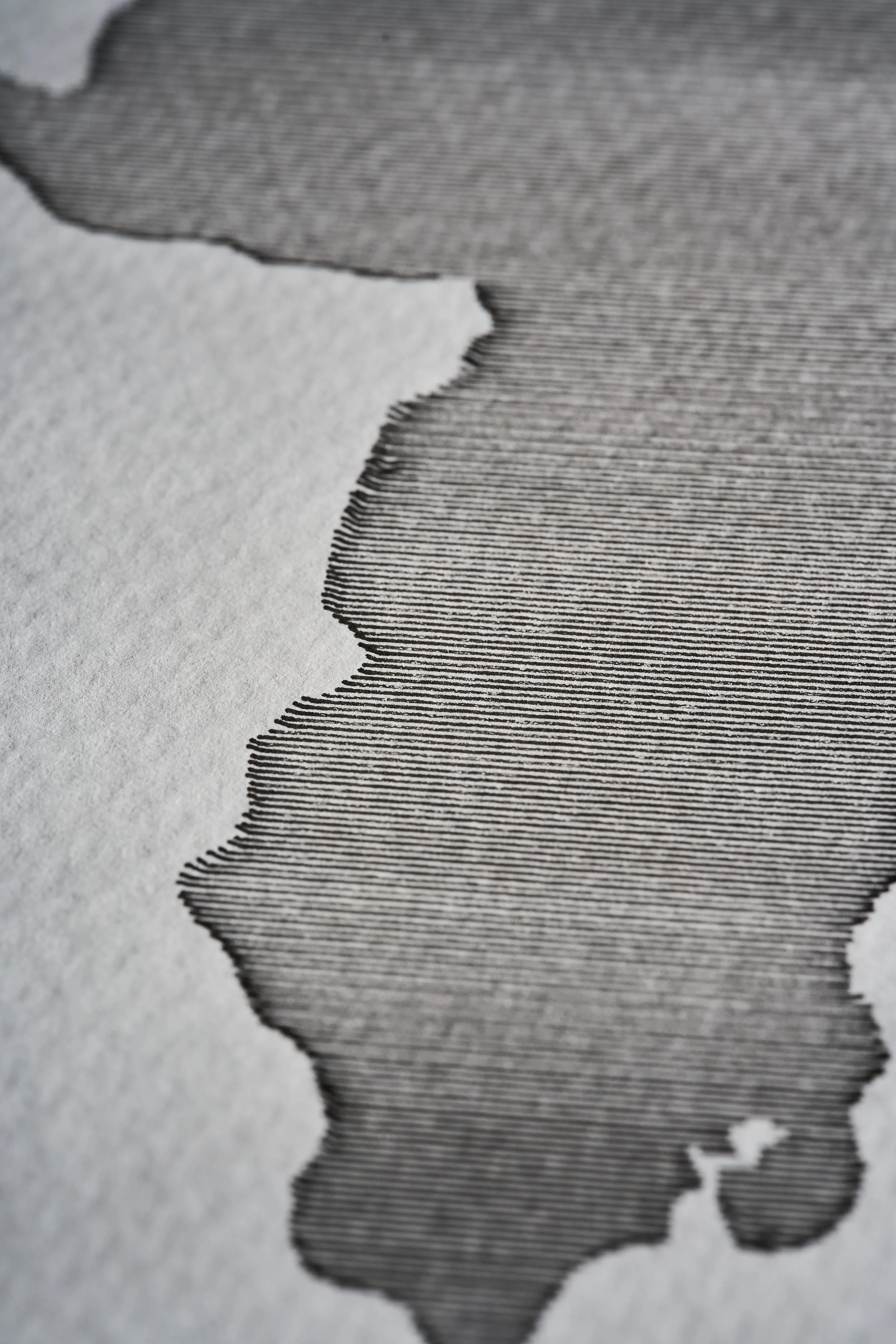
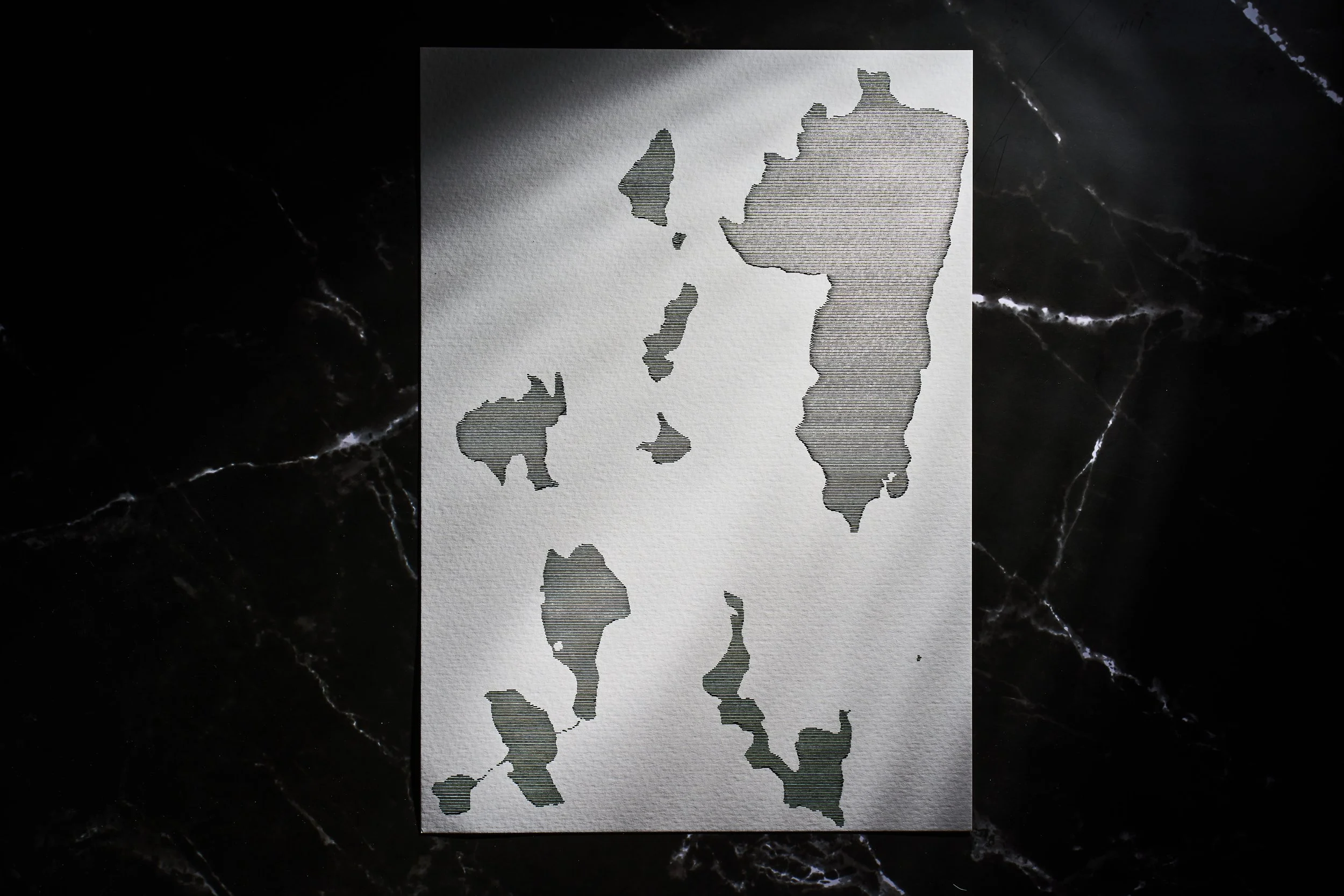
 Image 1 of 5
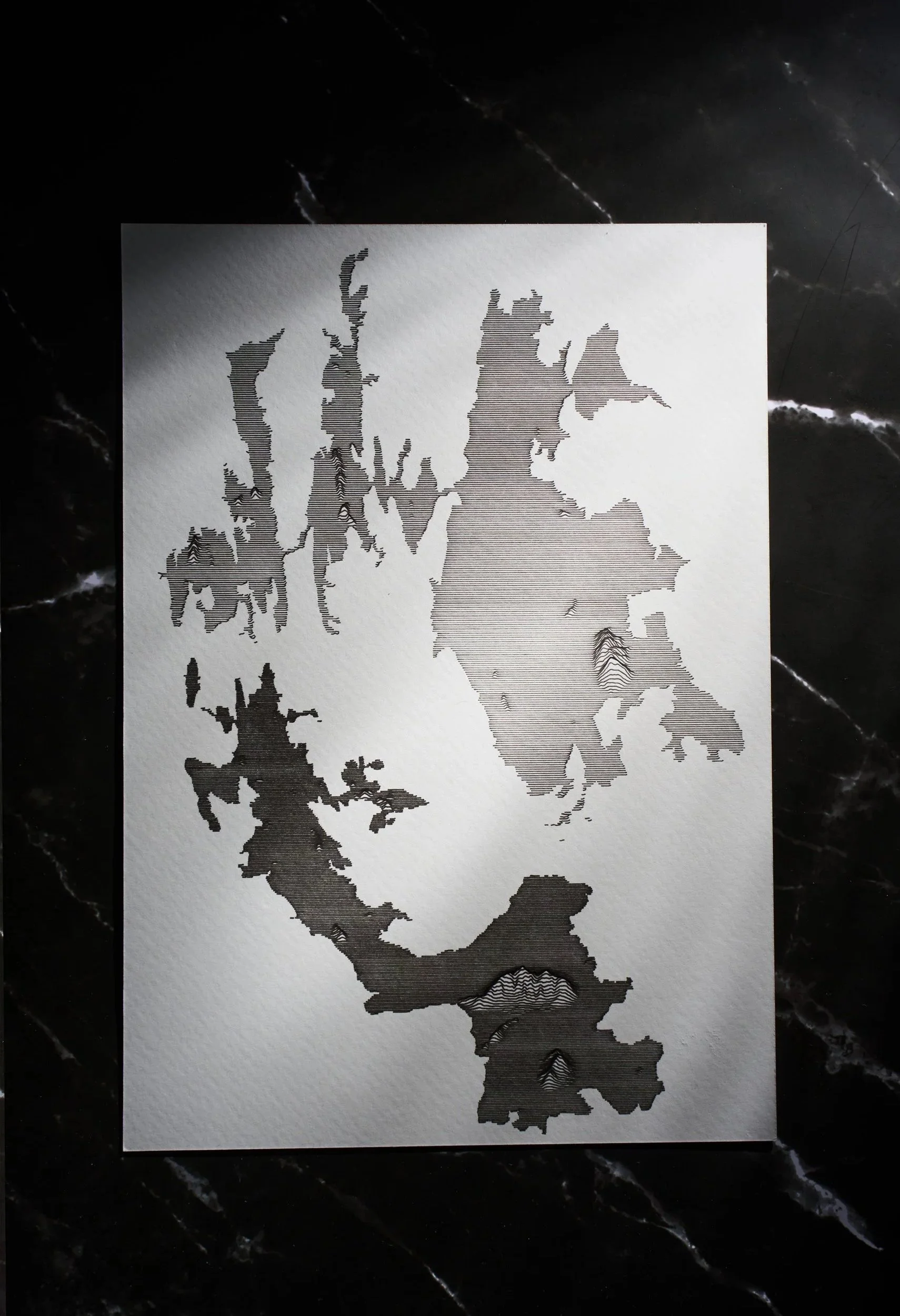
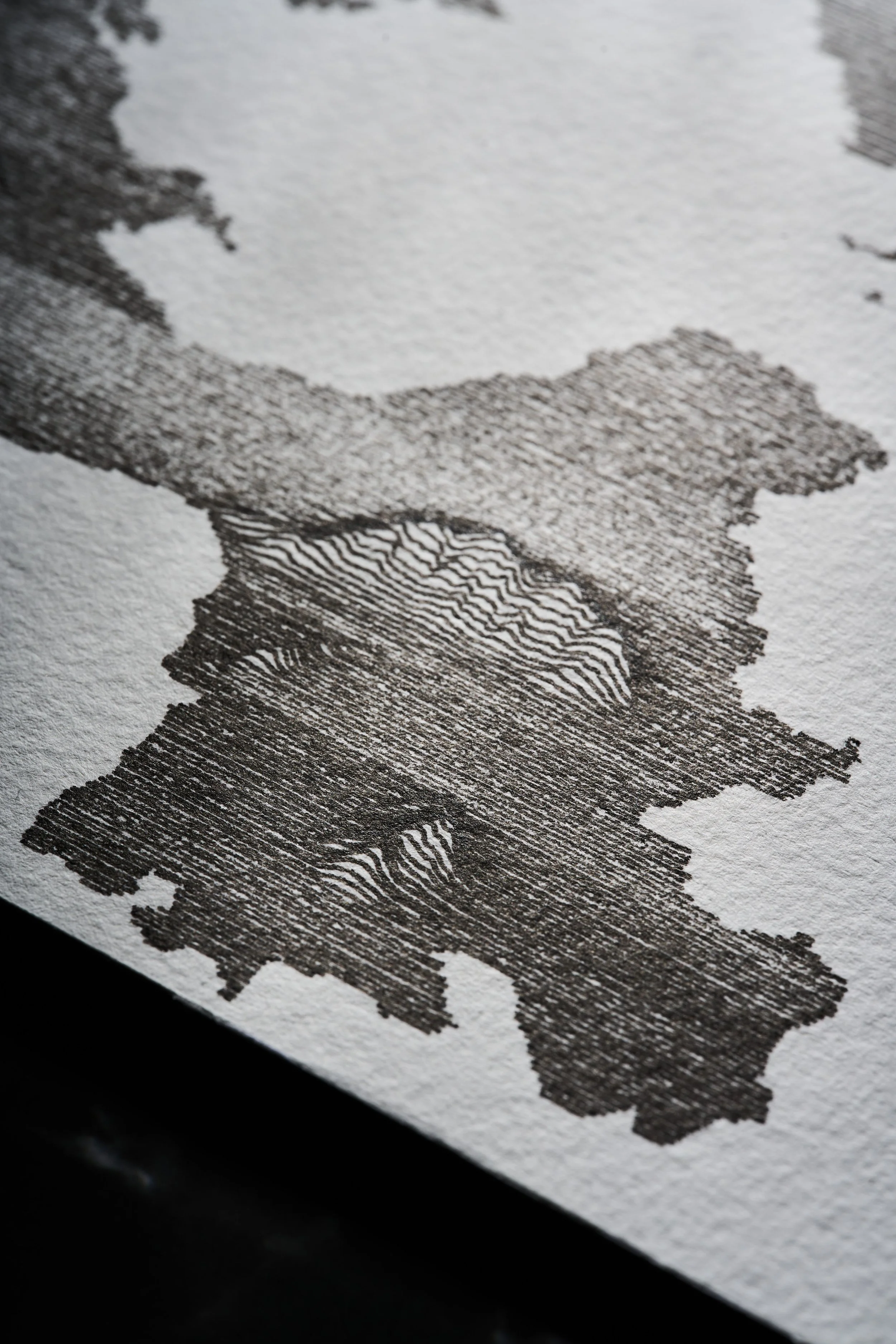 Image 2 of 5
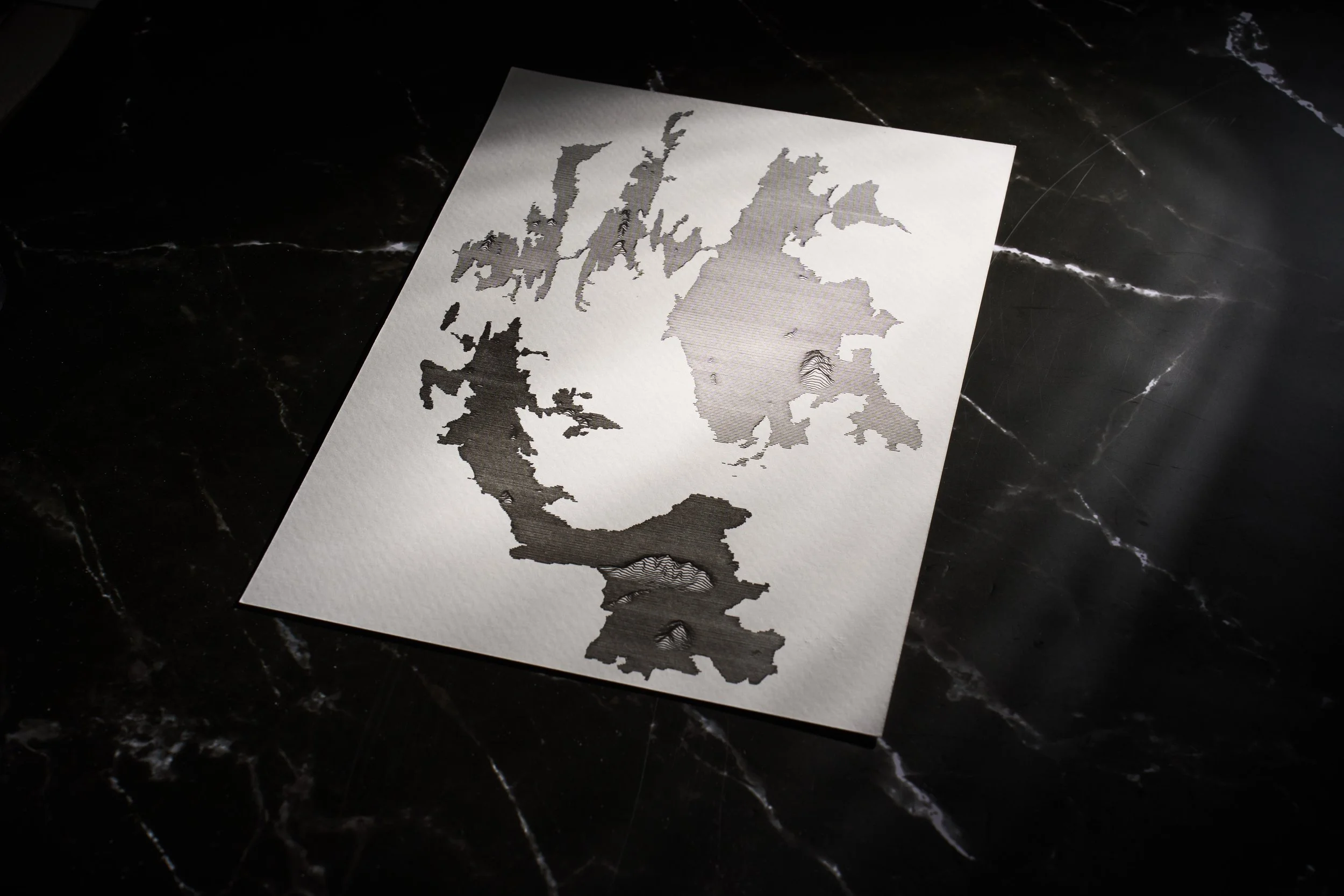 Image 3 of 5
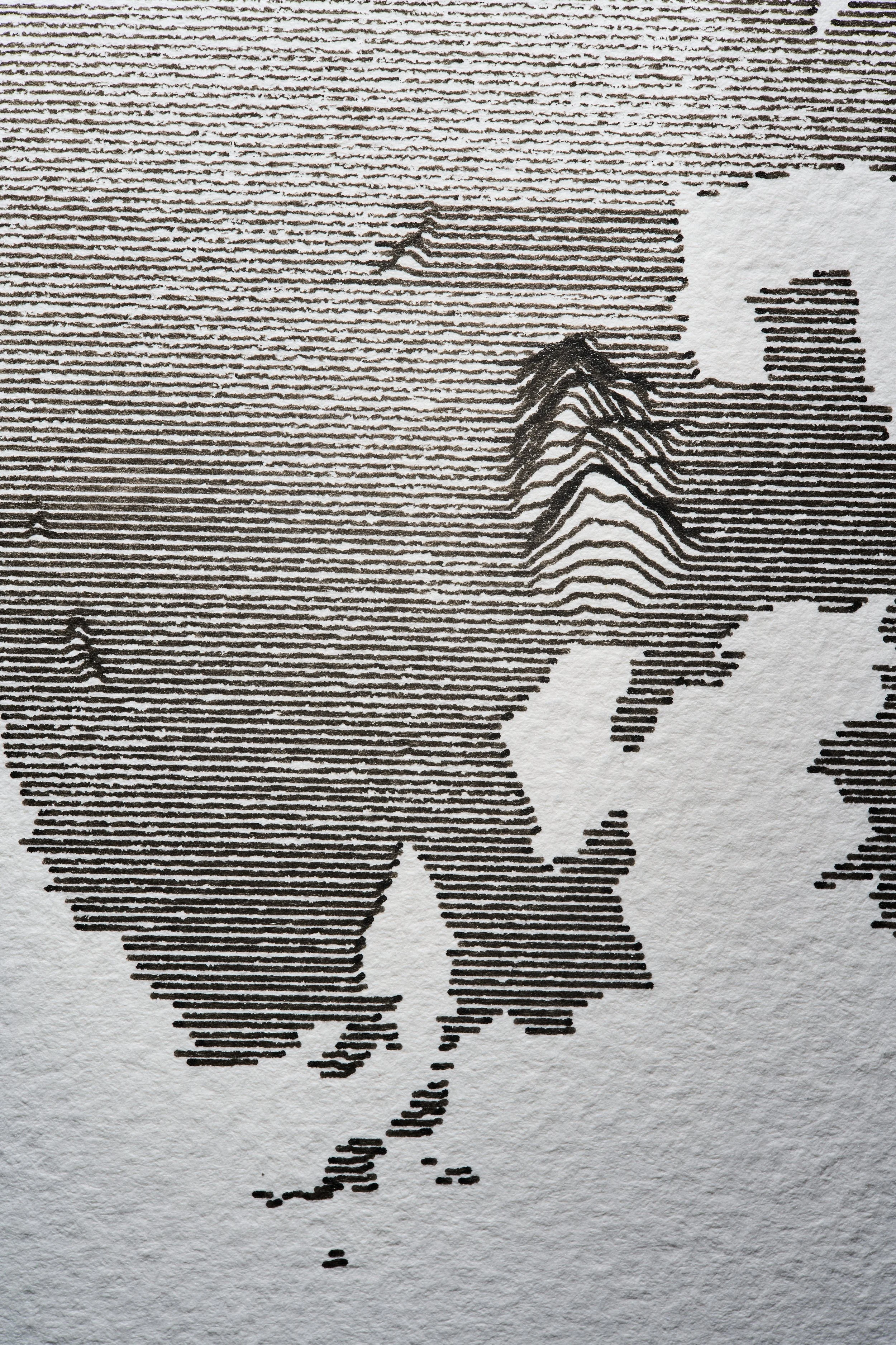 Image 4 of 5
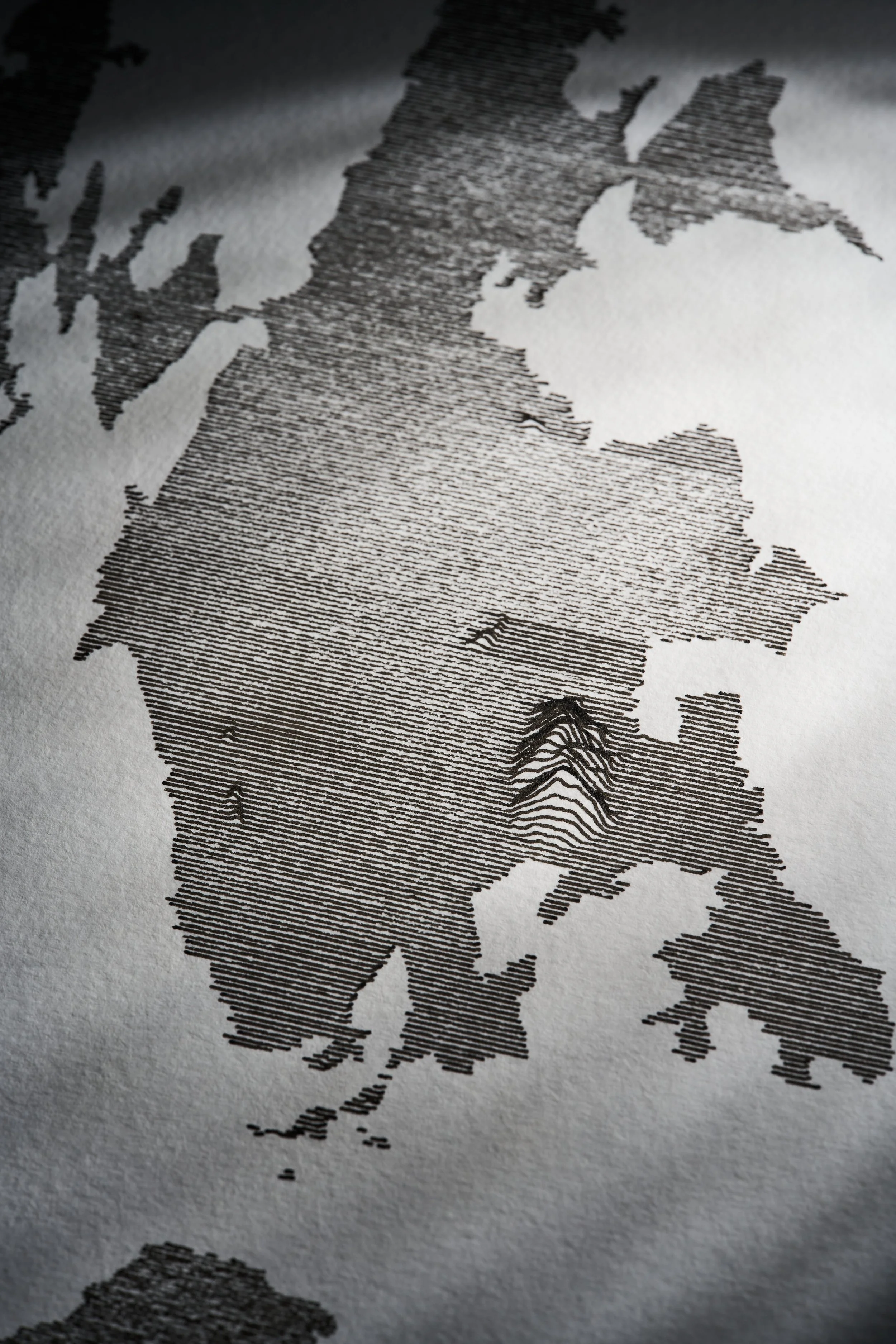 Image 5 of 5
Introducing Field Lines
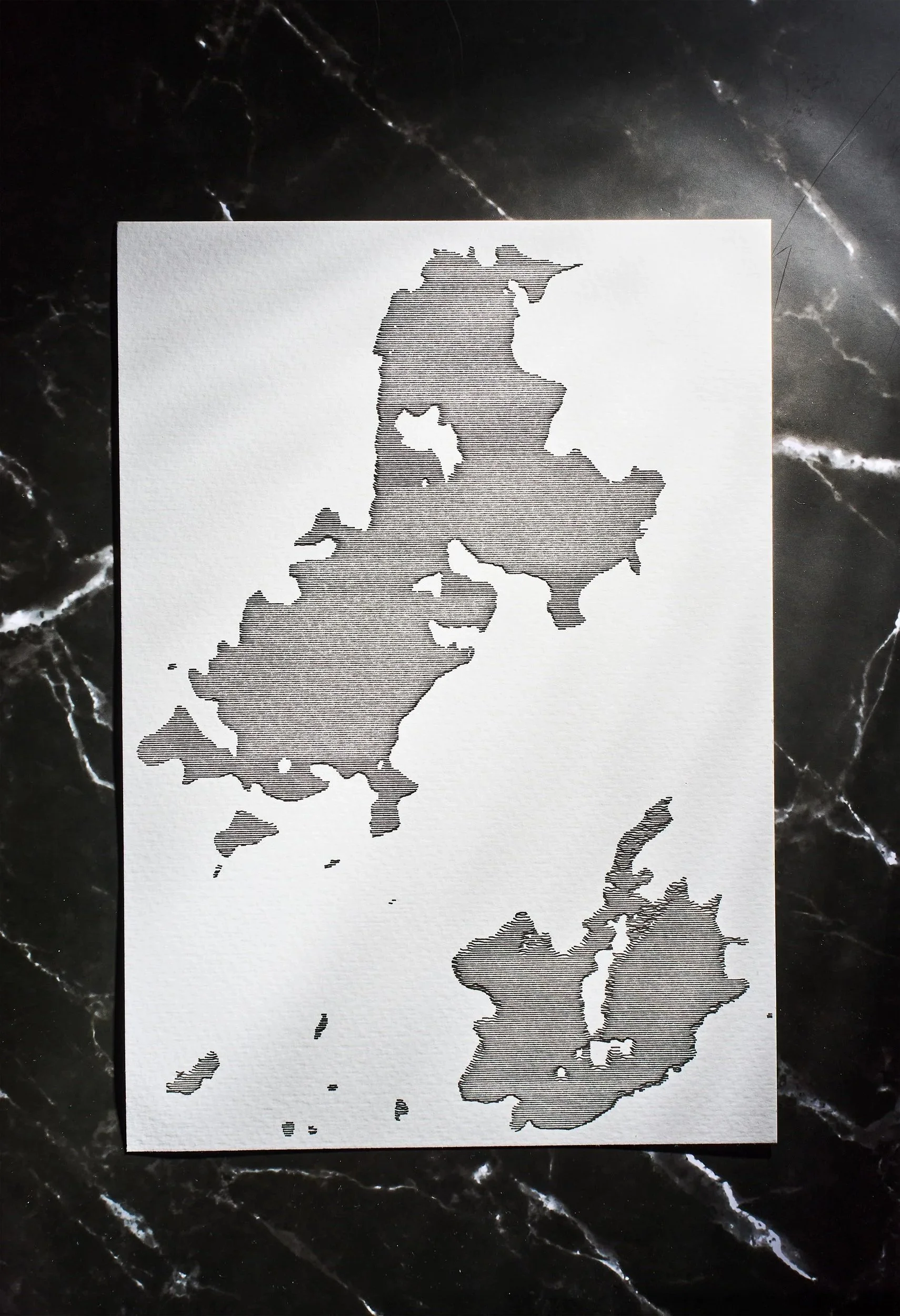
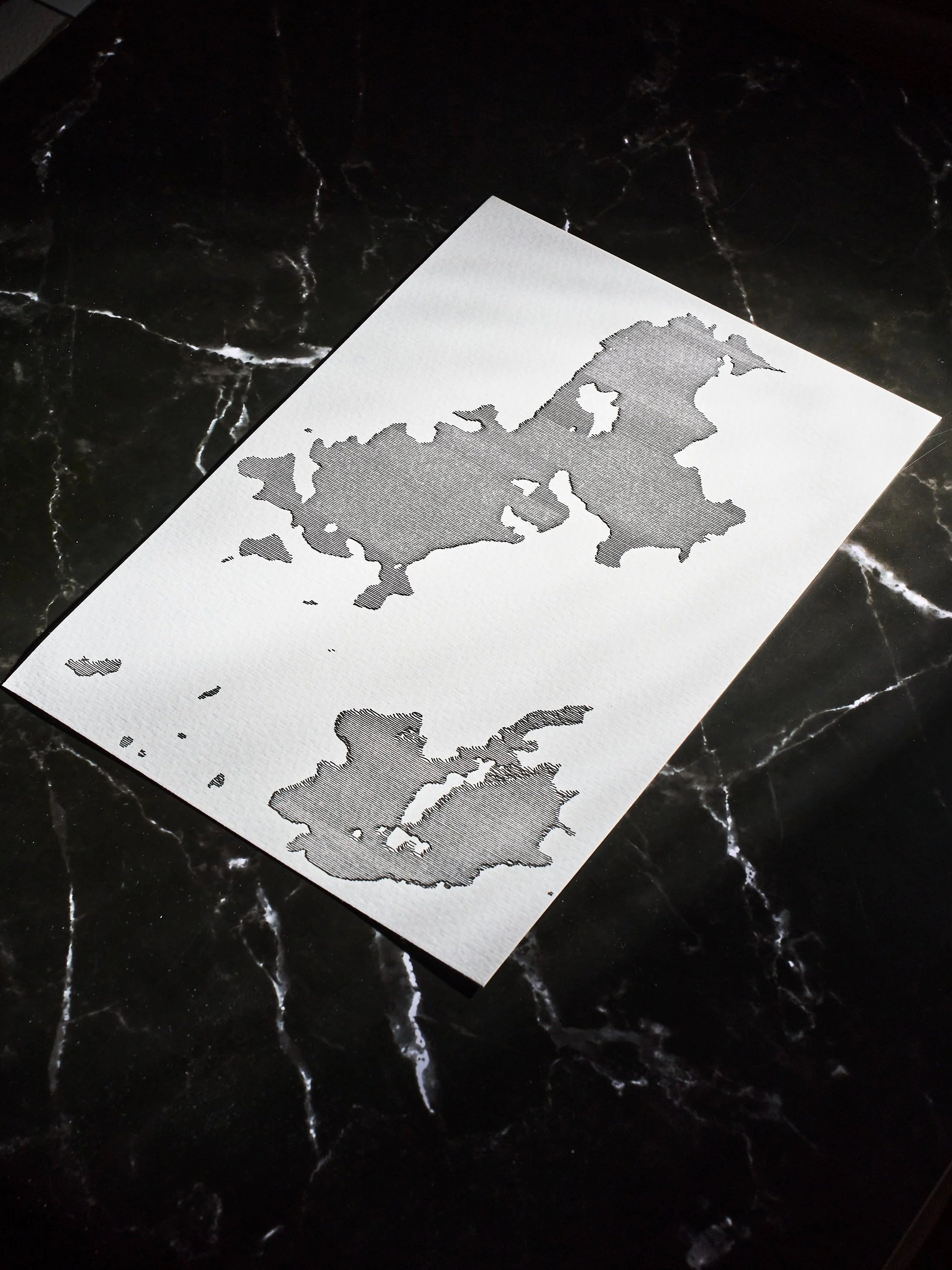
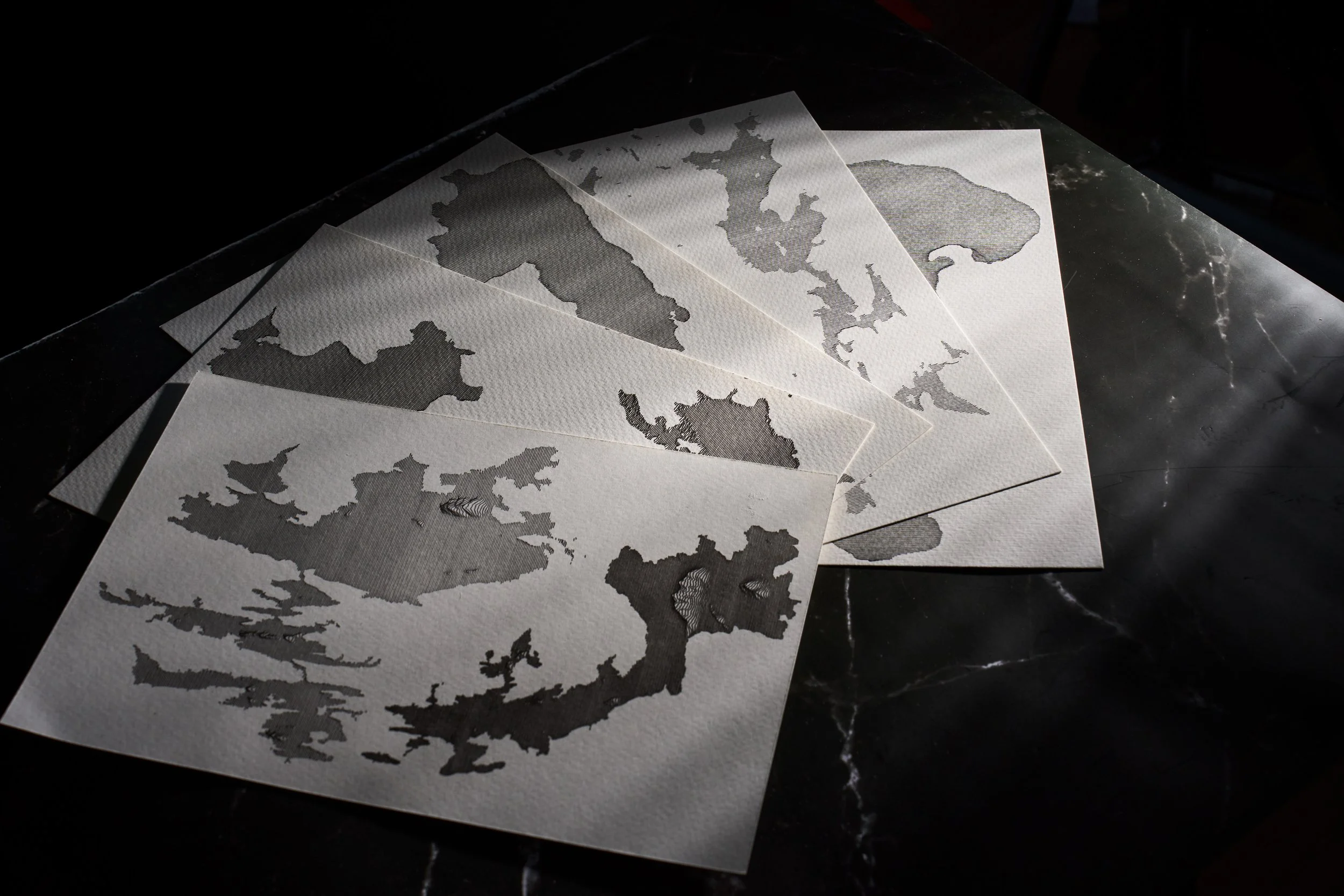
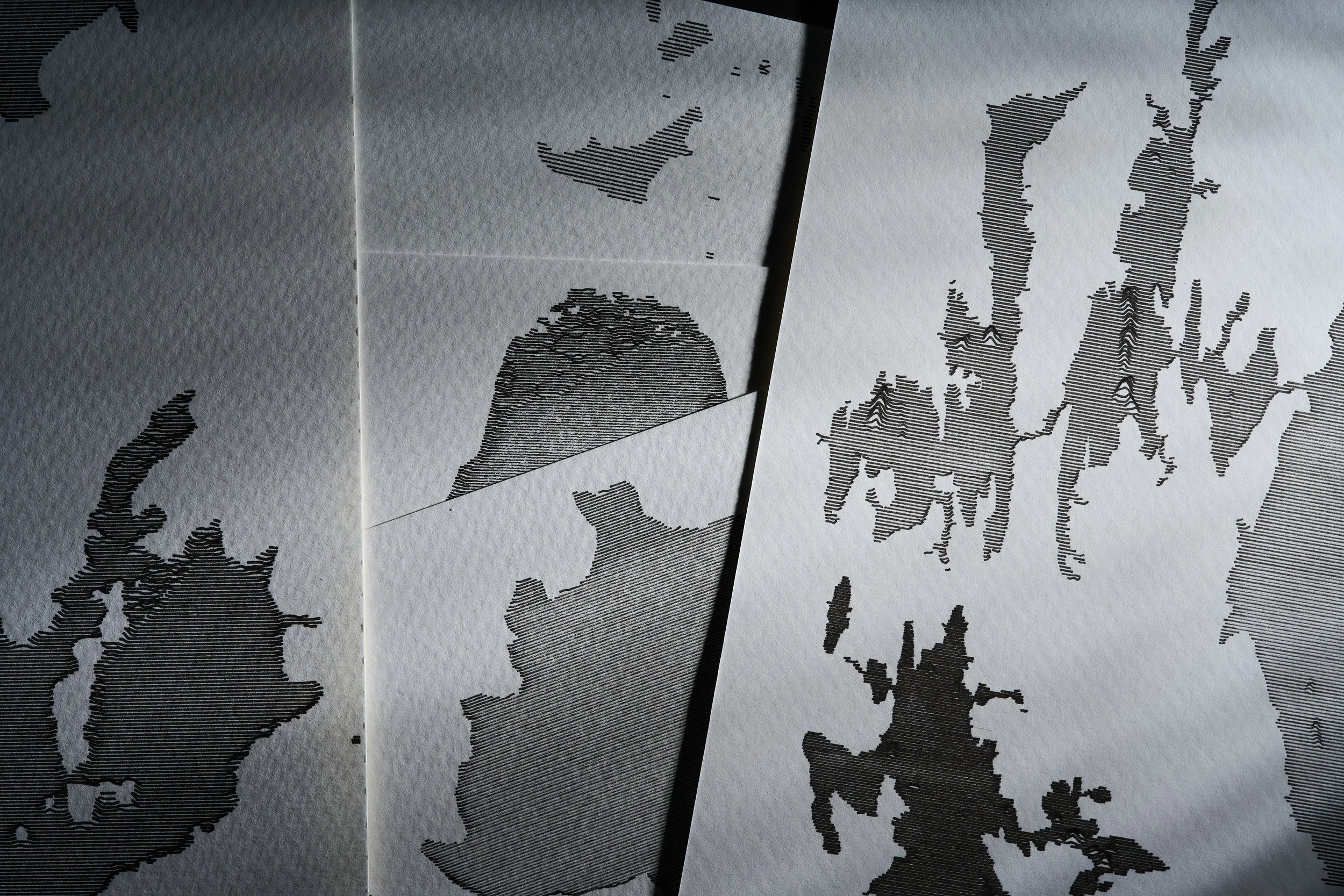
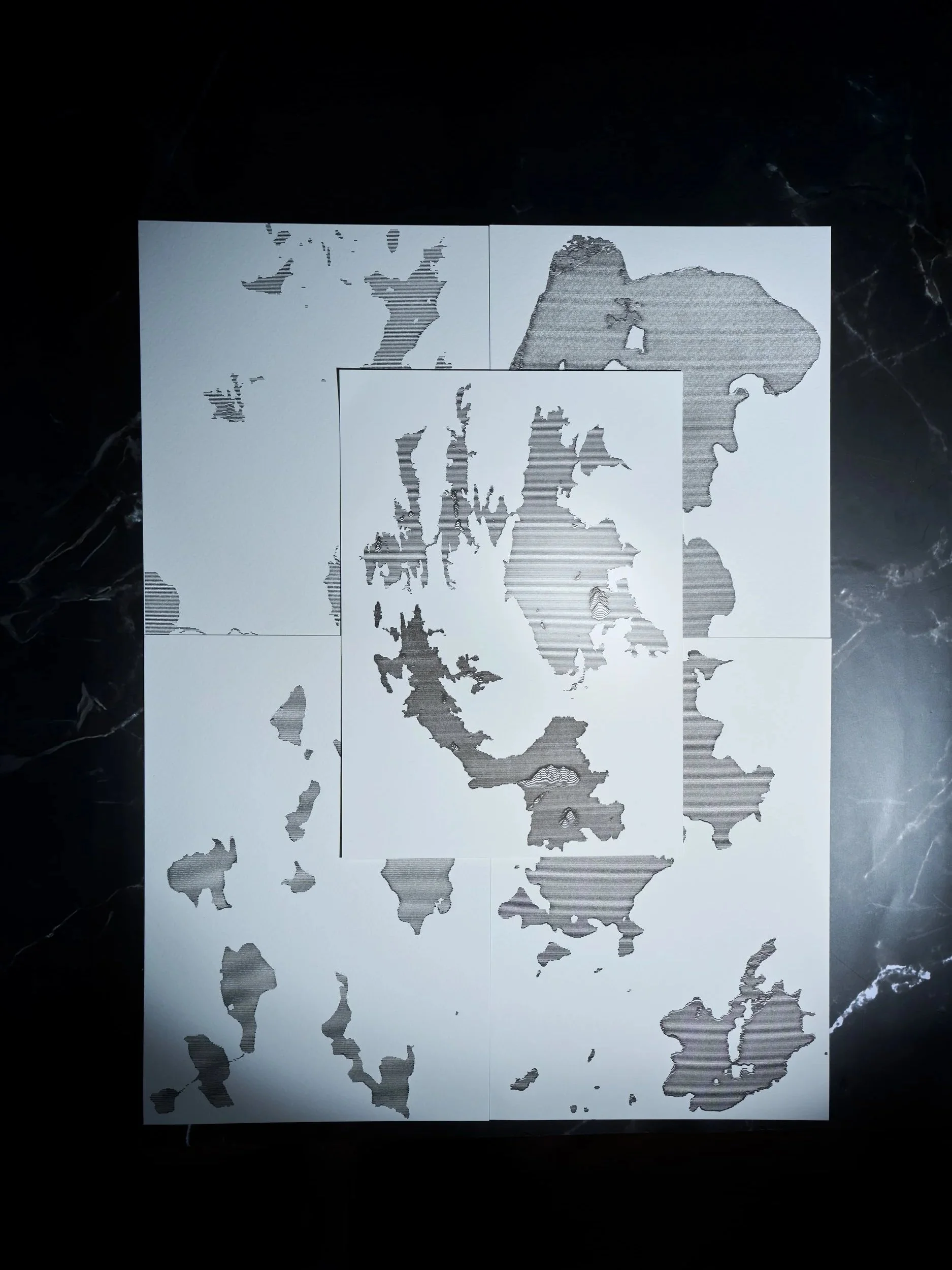
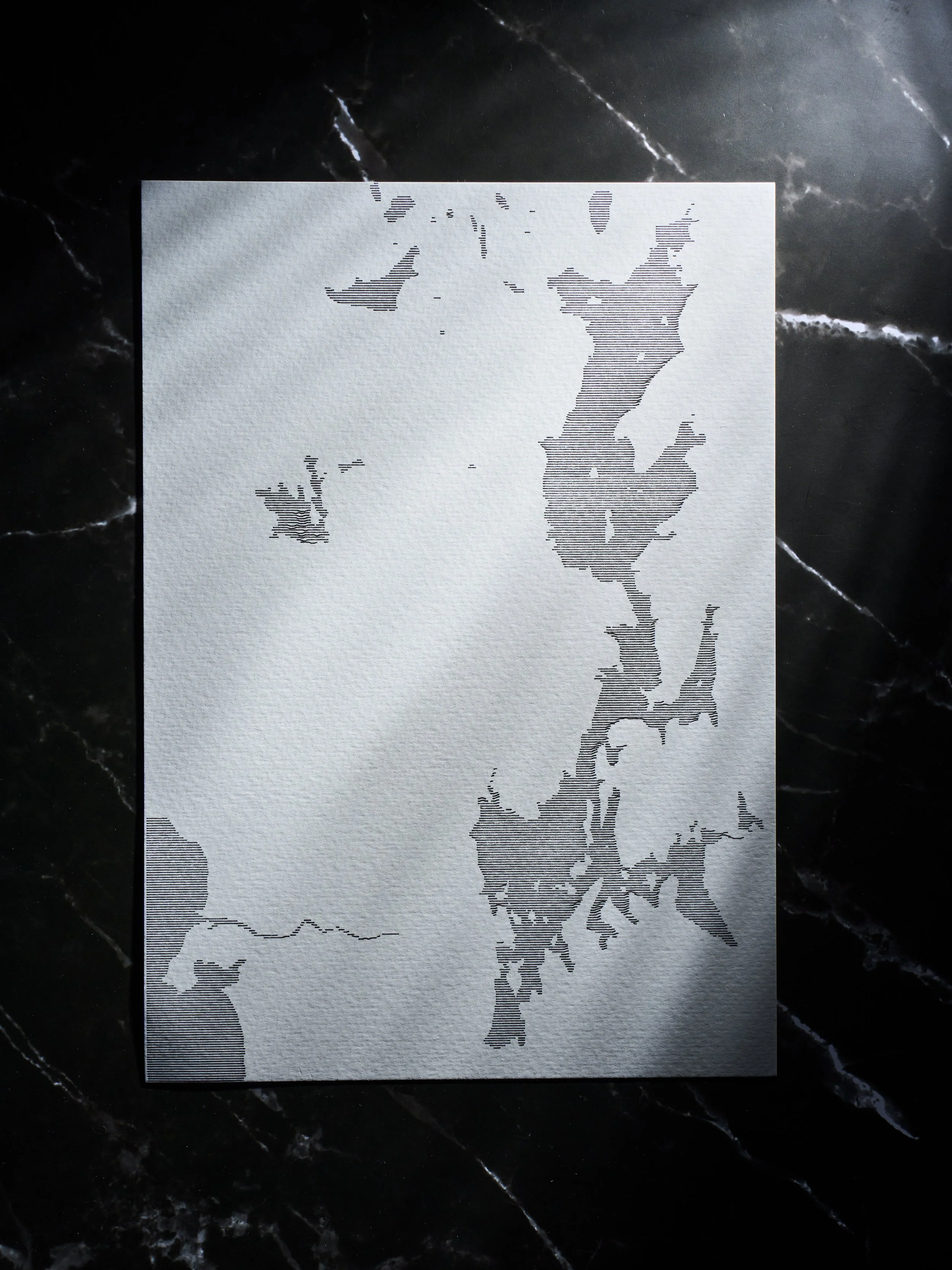
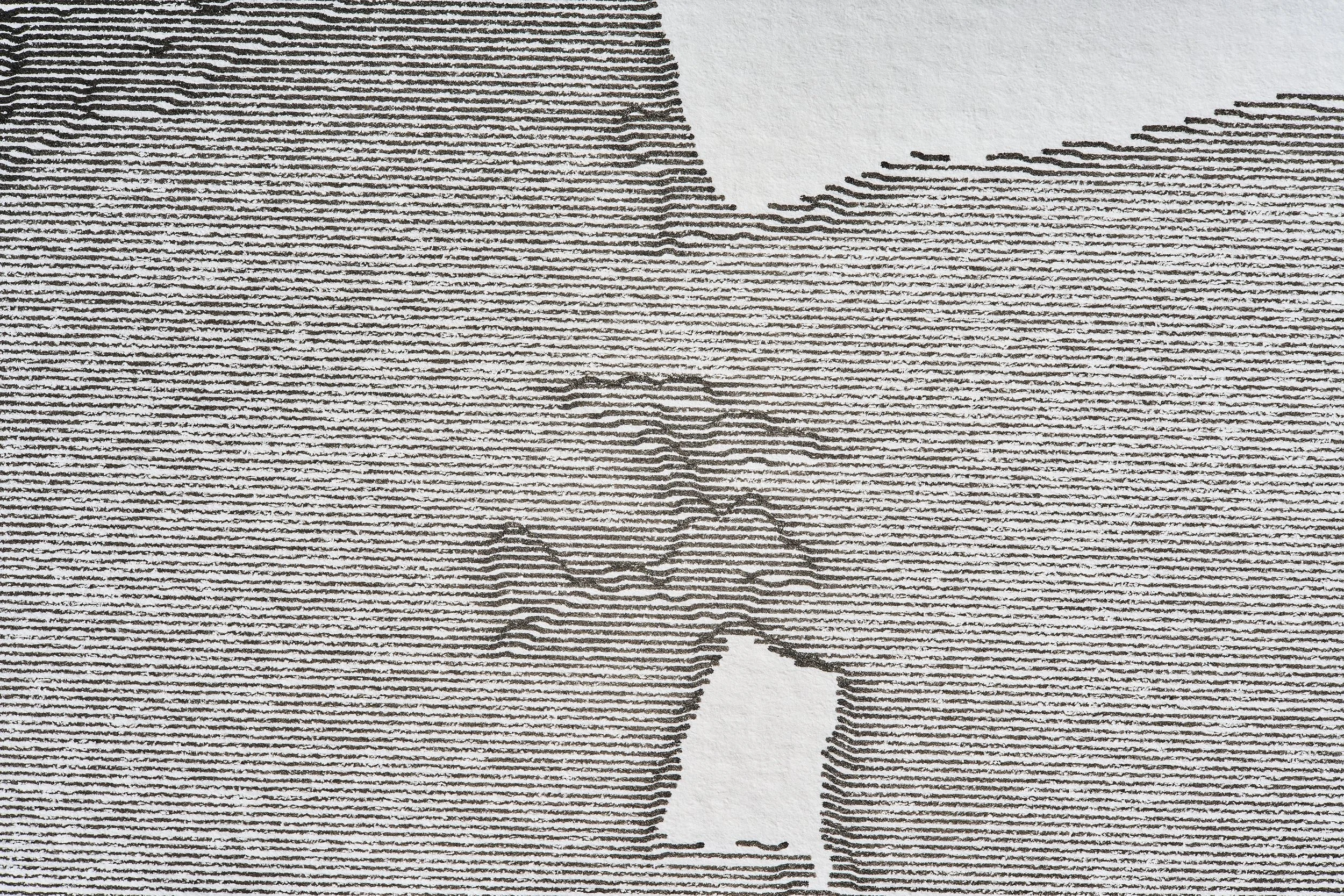
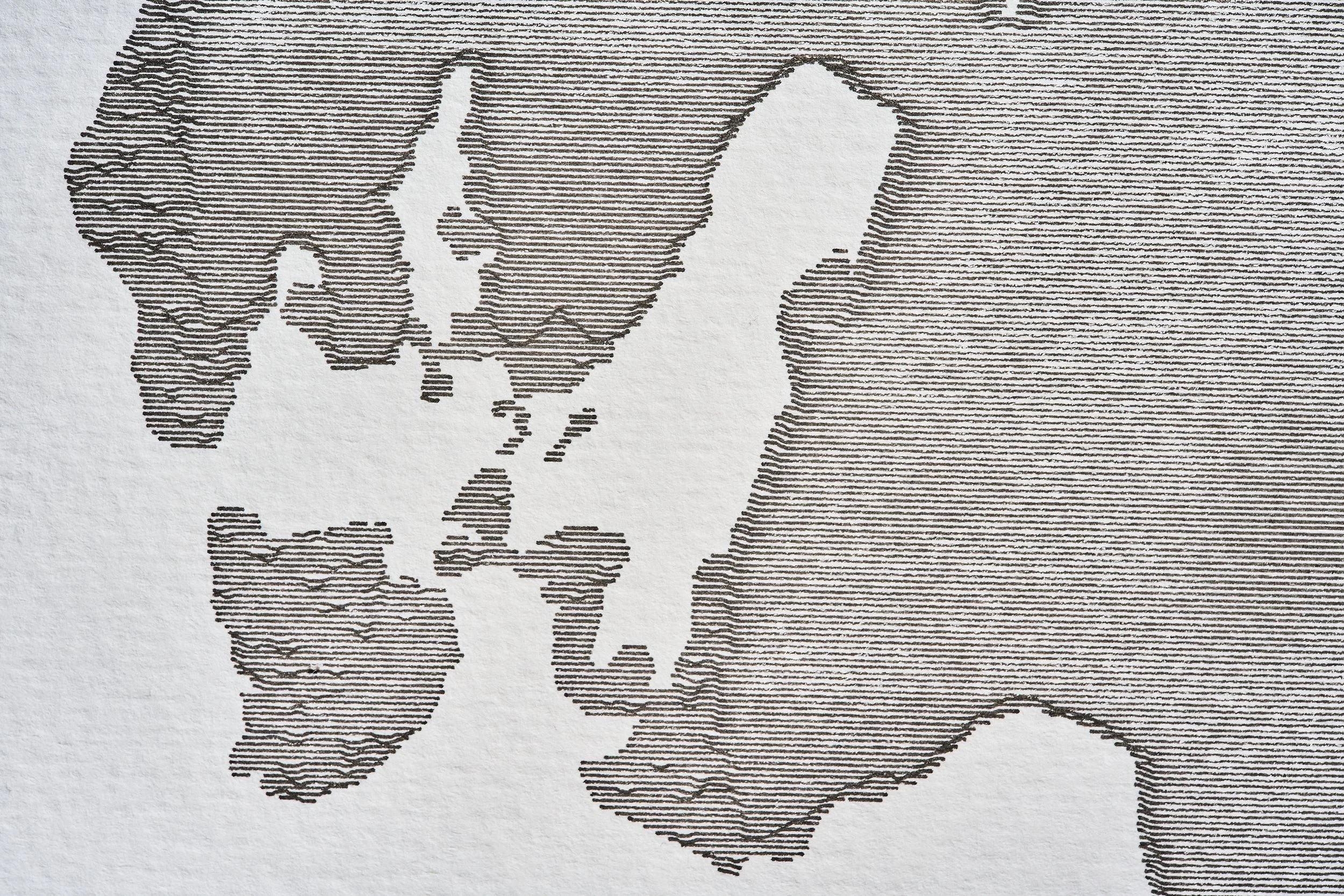
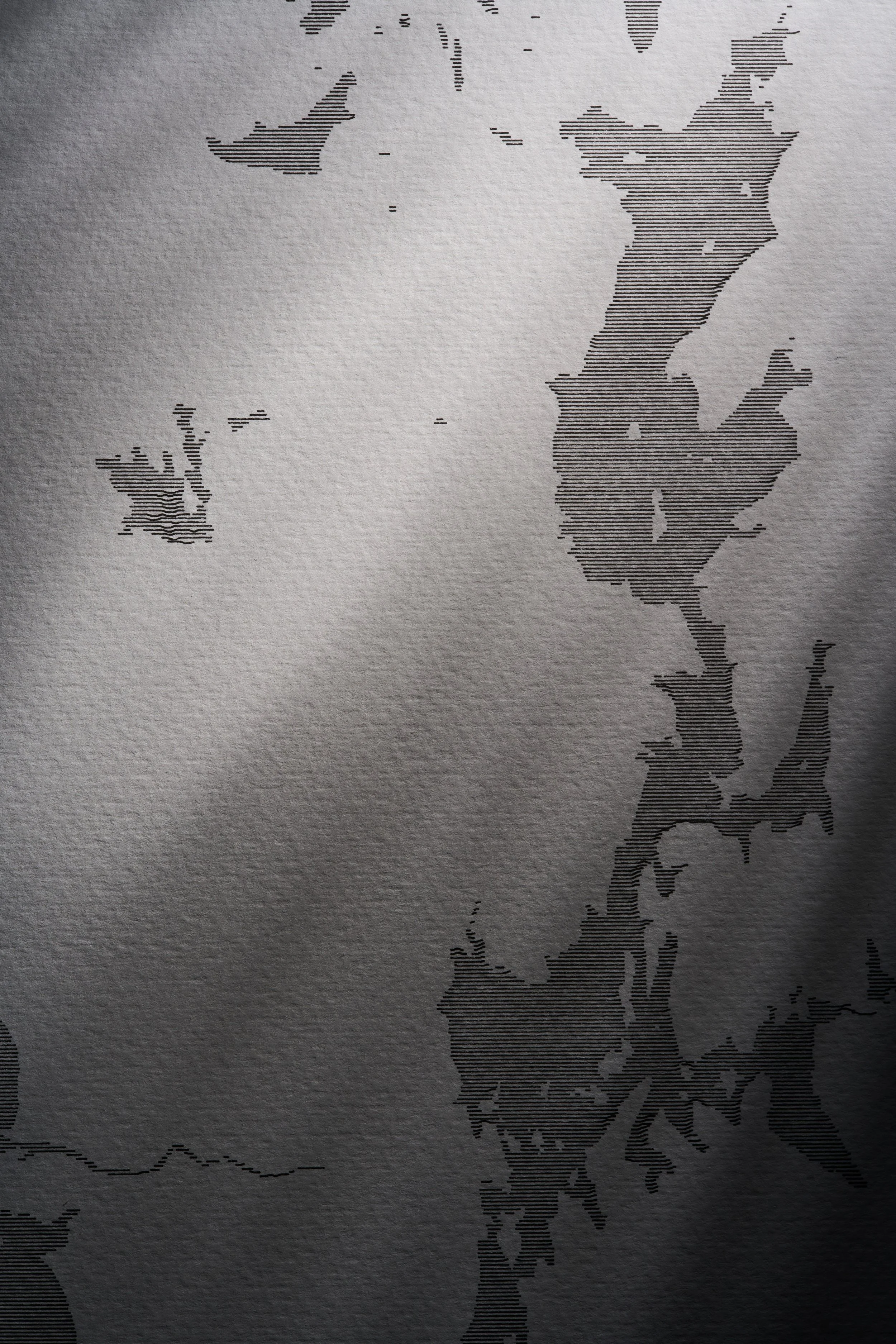
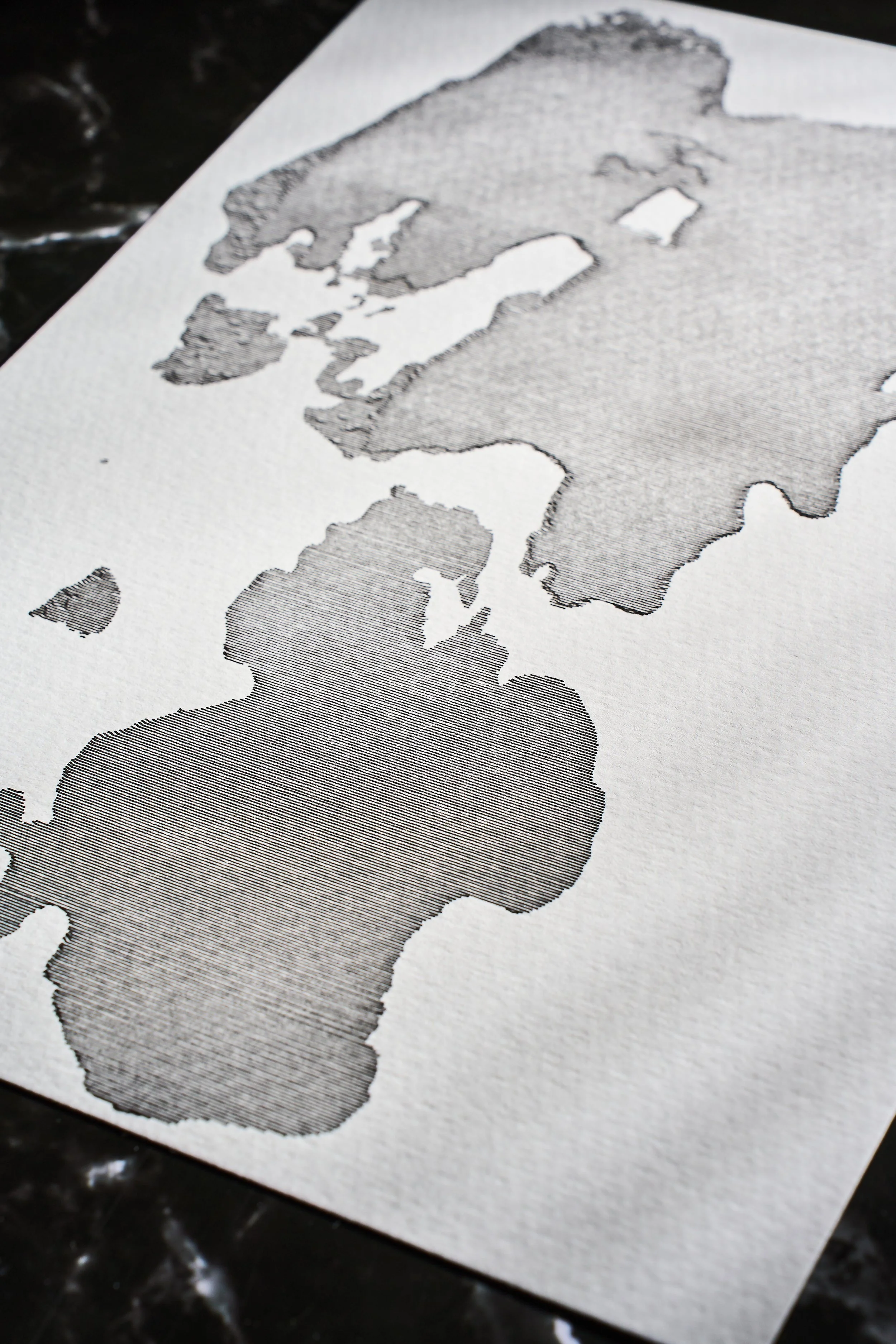
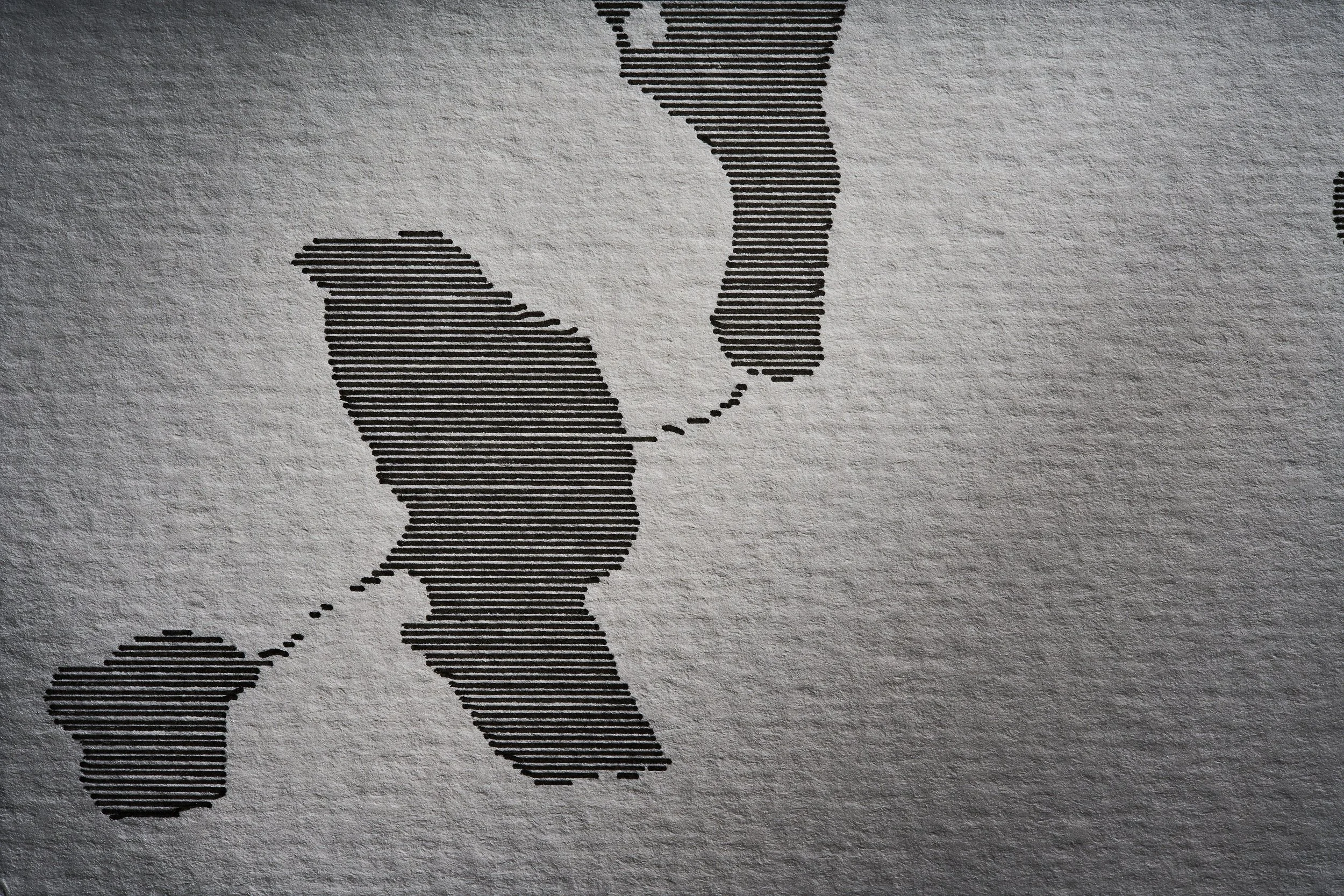
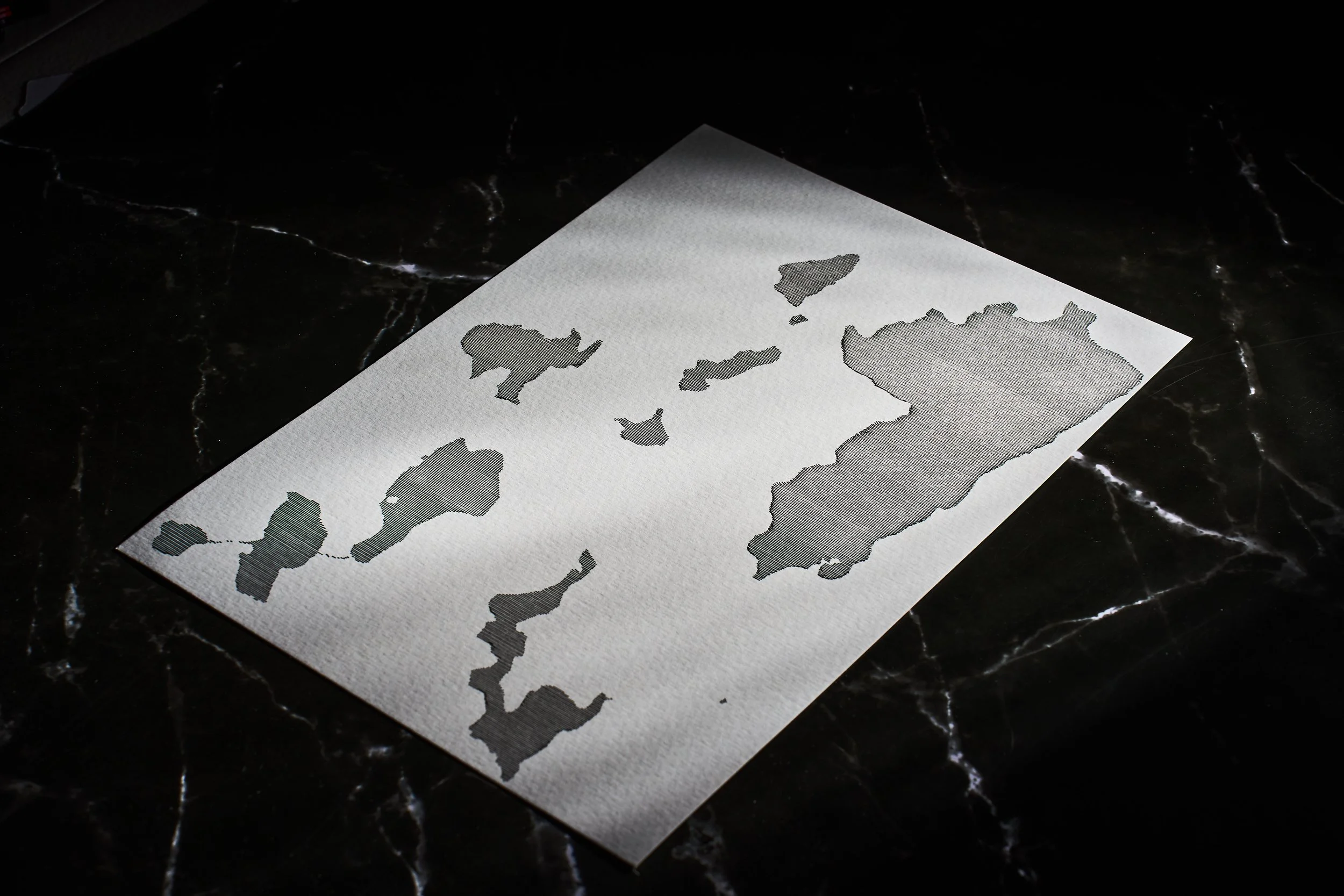
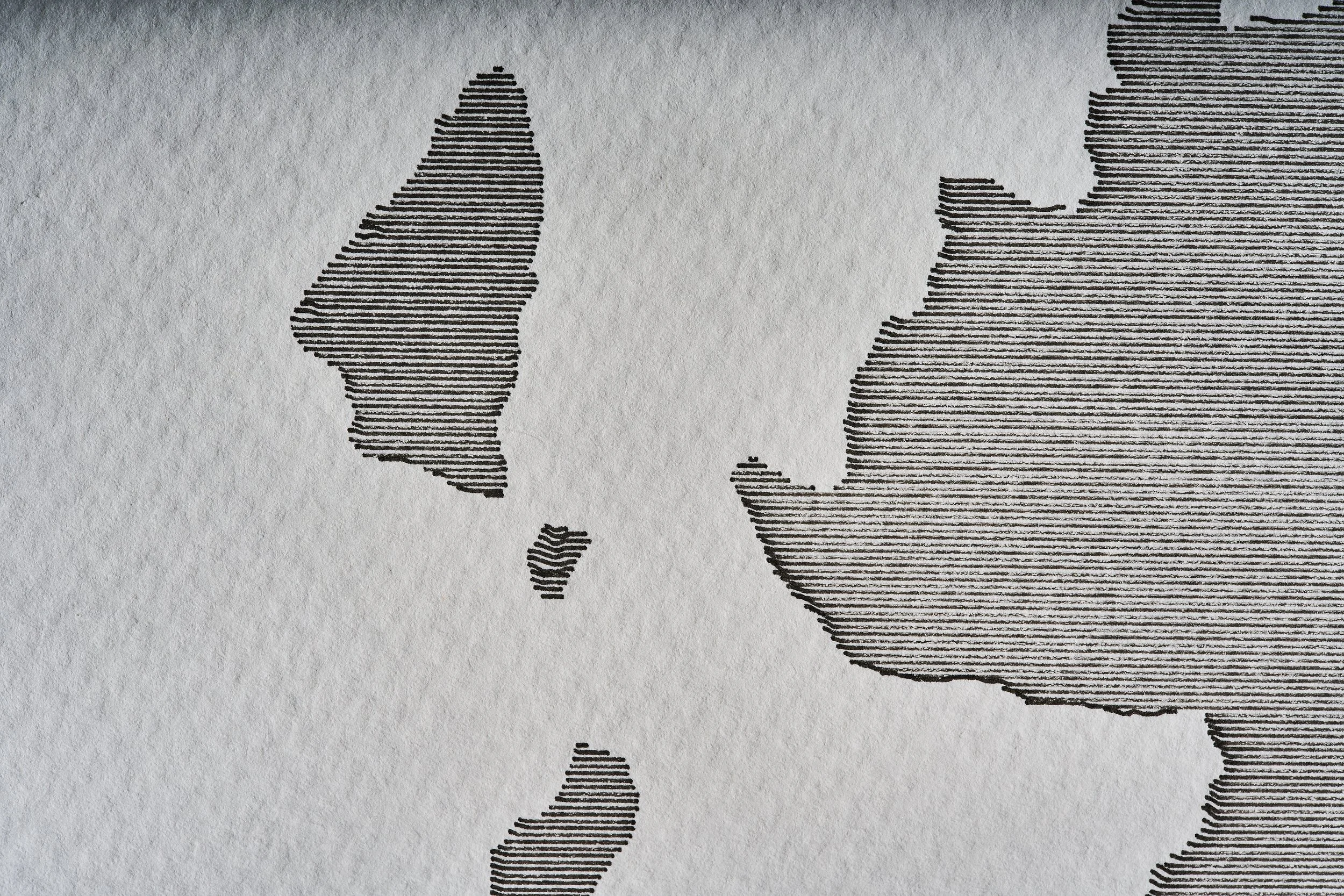
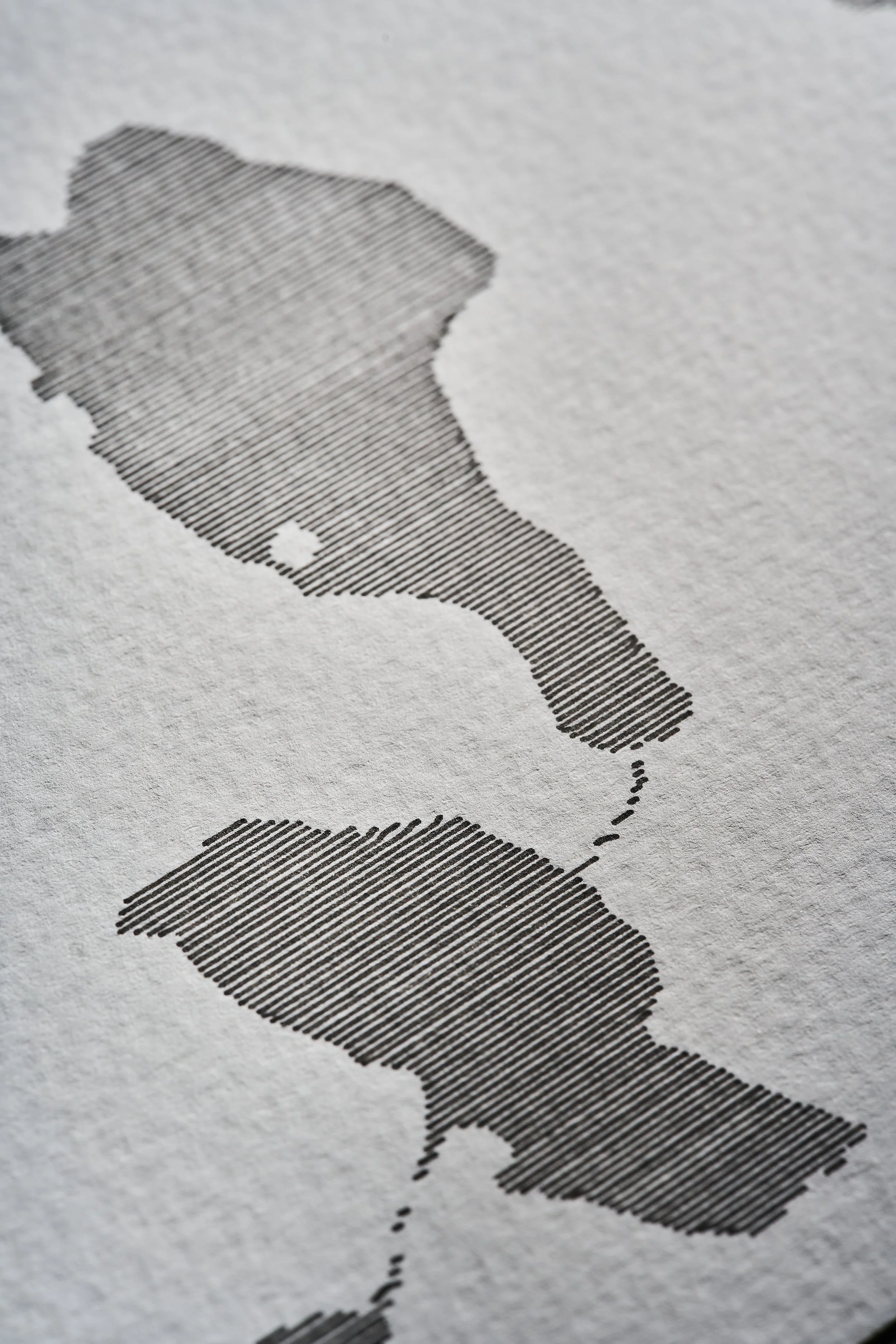
Each piece in the Field Line Lakes is a result of technical code and artistic practice.
We start with raw topographical data and a set of custom code for this project to translate the topography of the land into a visual representation. While code provides the foundation, it only provides the building blocks. I manually compose the layout, arranging the lakes to find the perfect balance of negative space and form. Before a single line is drawn physically, it’s essential to review the digital vectors, cleaning up stray paths and refining the details to ensure the final output is crisp and intentional. This stage bridges the gap between raw data and the finished design.
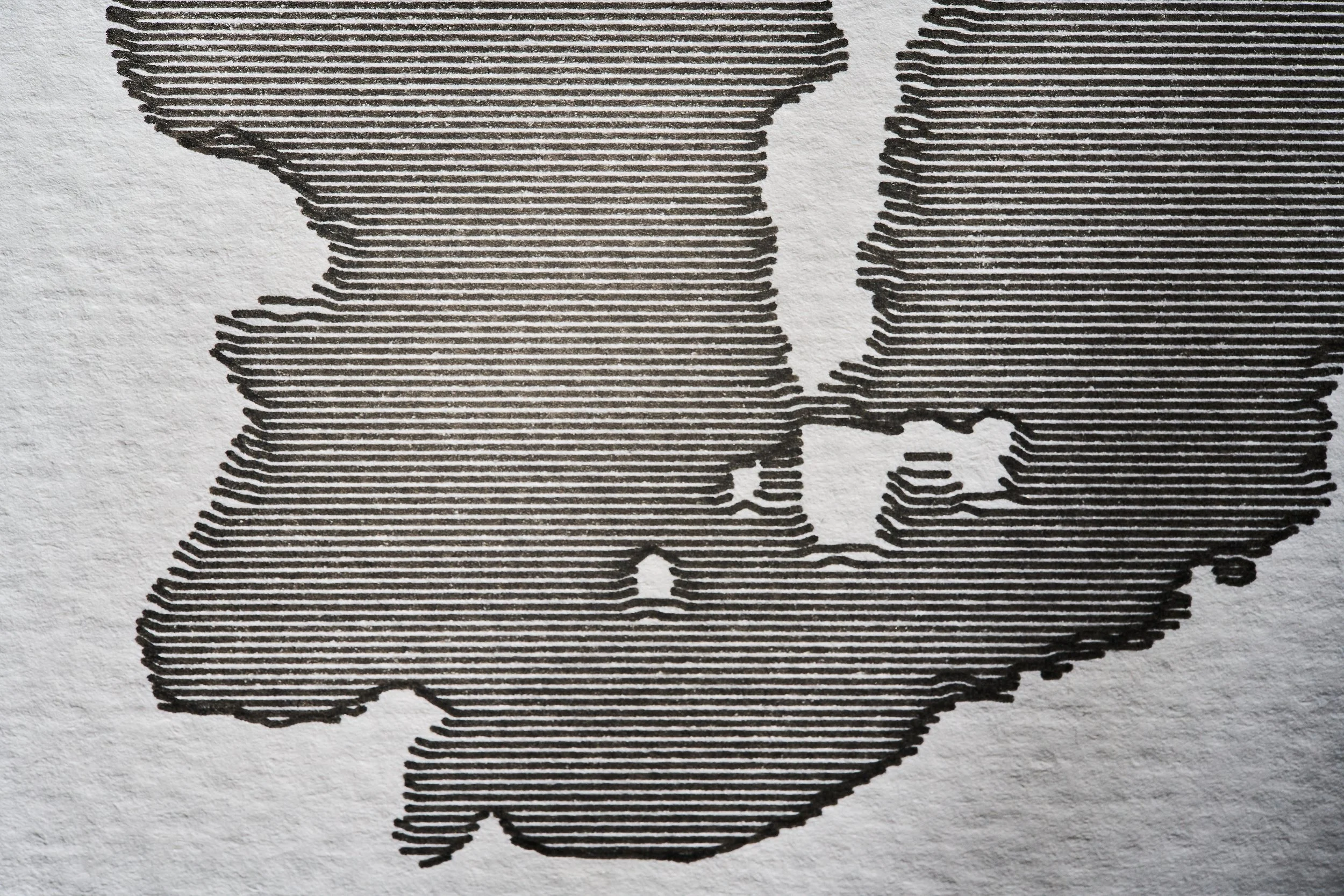
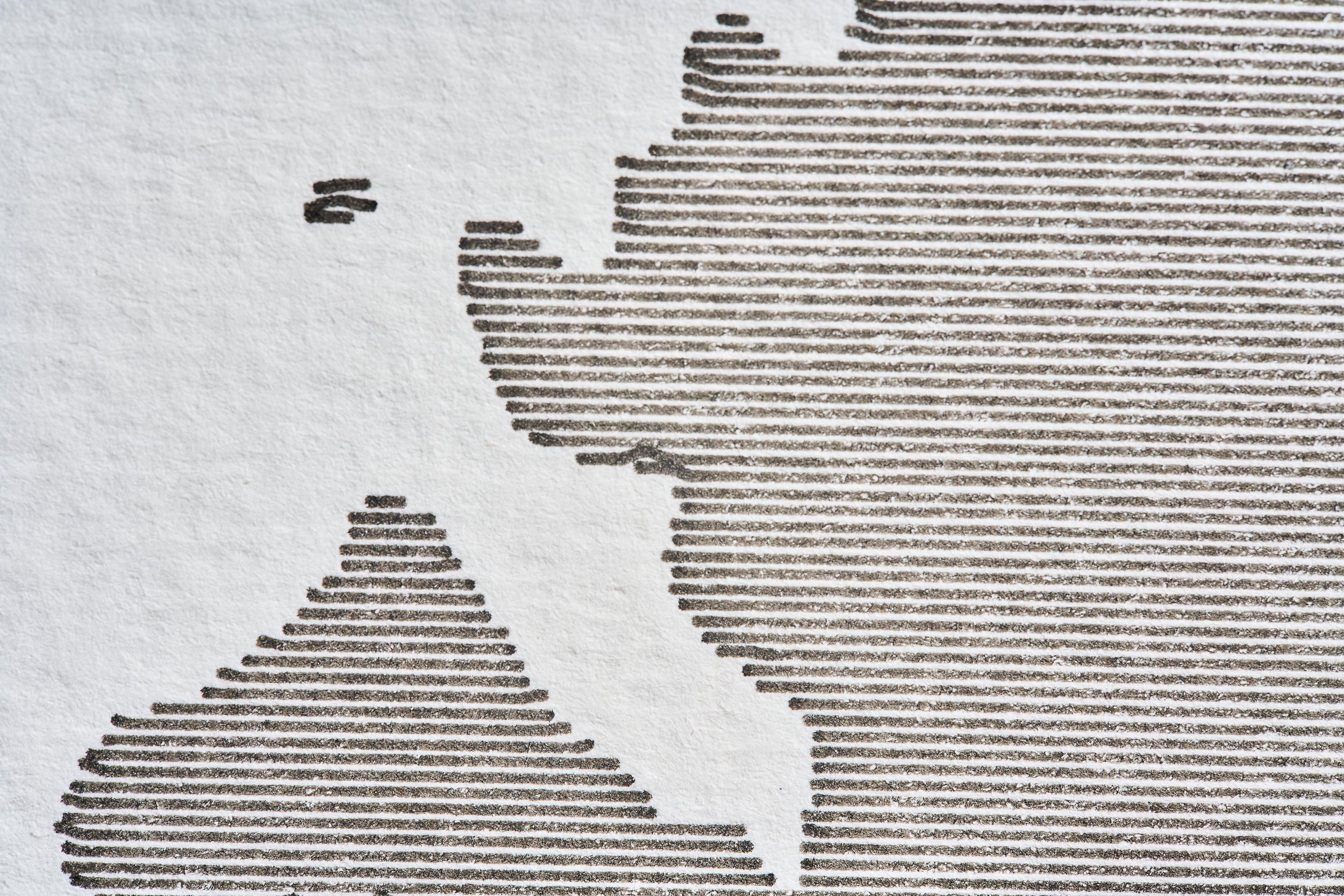
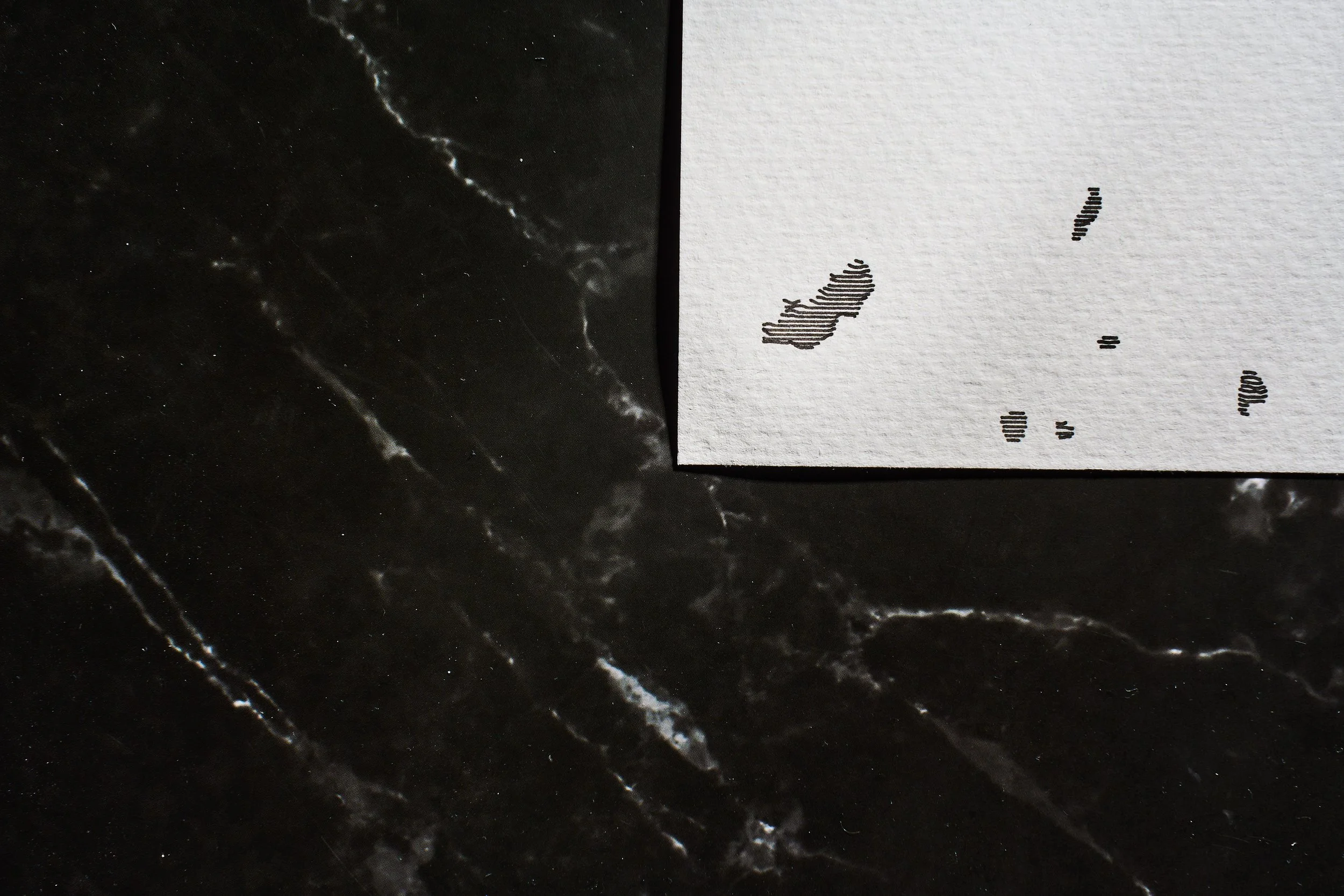
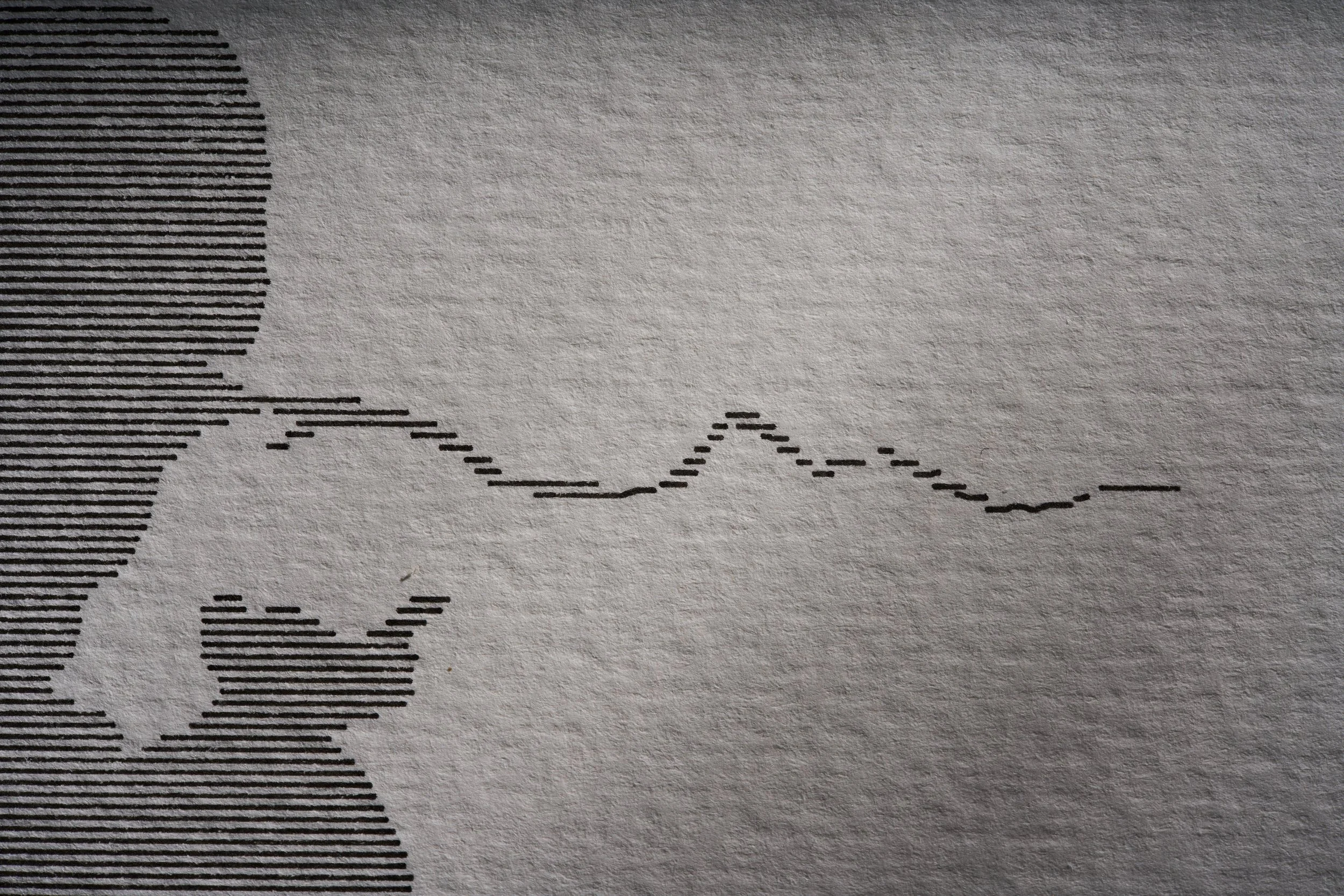
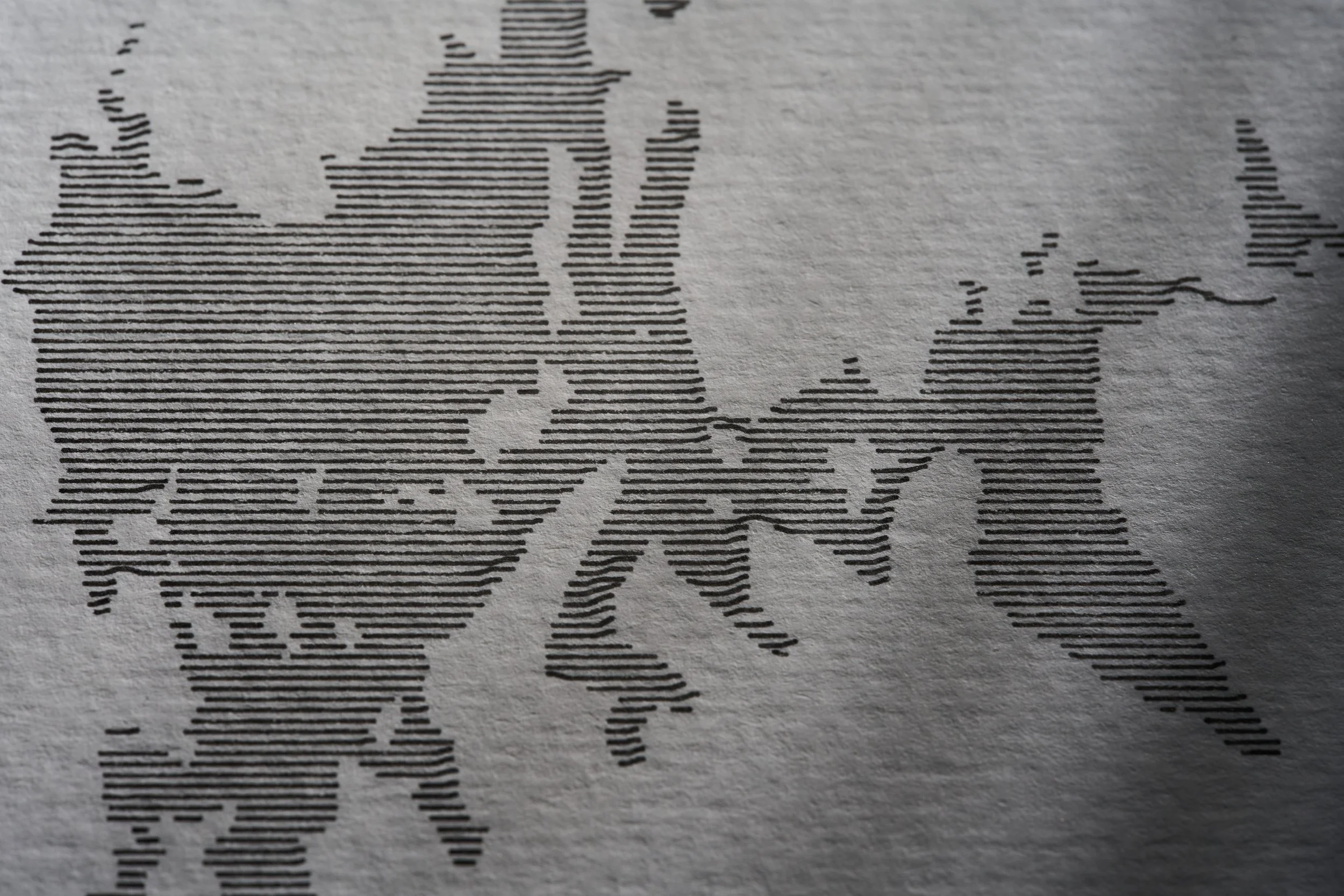
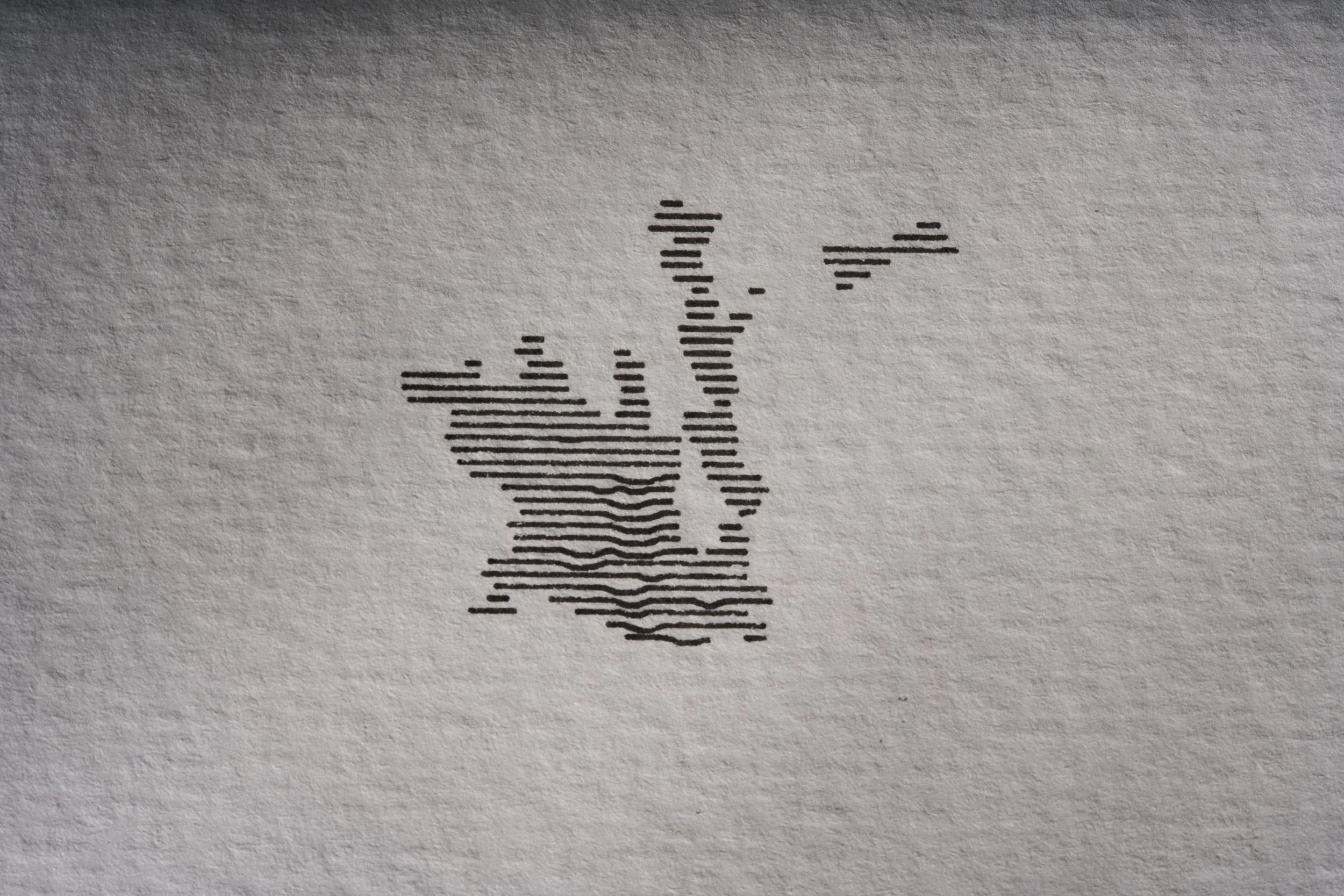
Once finalised, it is sent to the pen plotter. This machine acts as an arm, gripping a pen and drawing the image onto the paper. It does not spray ink like a standard printer. The plotter draws every single line individually. It is a mesmerising, time-intensive process where the friction of the pen against the paper creates a texture and depth that digital prints simply cannot replicate.
Once complete, it is checked that all the lines are drawn with a high contrast. The paper is flipped and the PLOT IT logo is drawn. I hand number each design individually, and complete it with date it was plotted. This marks the exact moment the artwork was created.